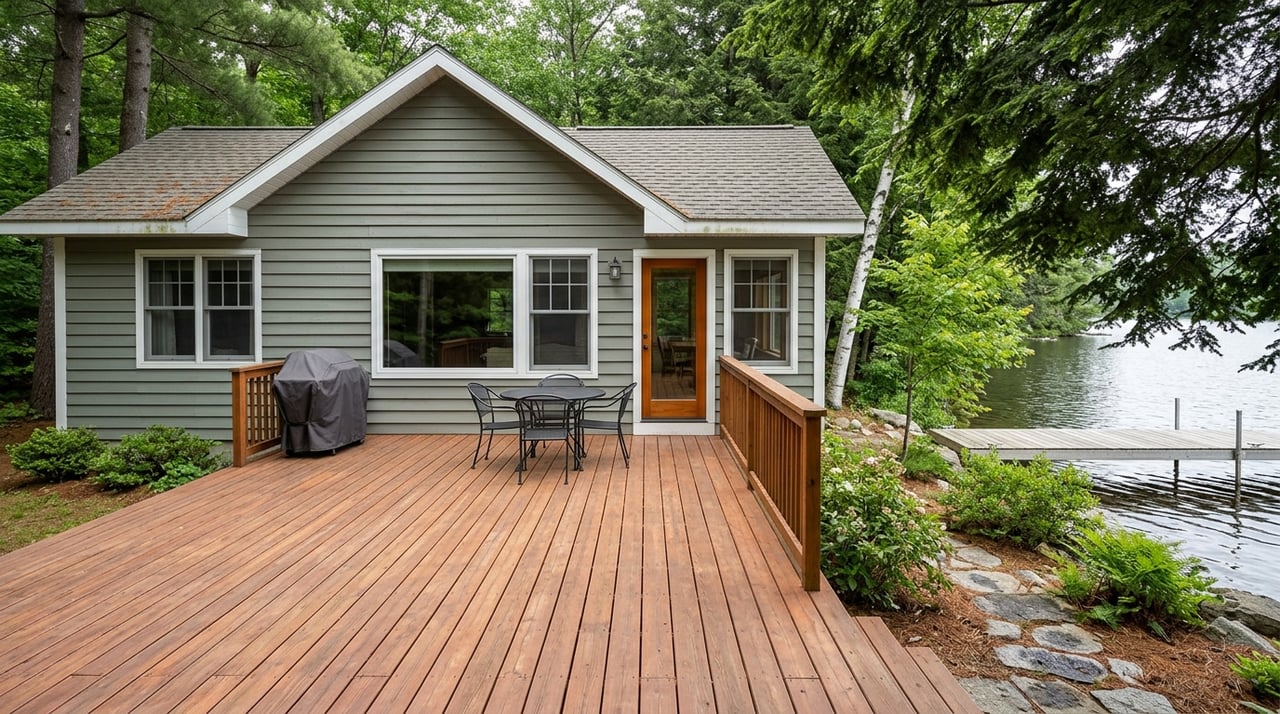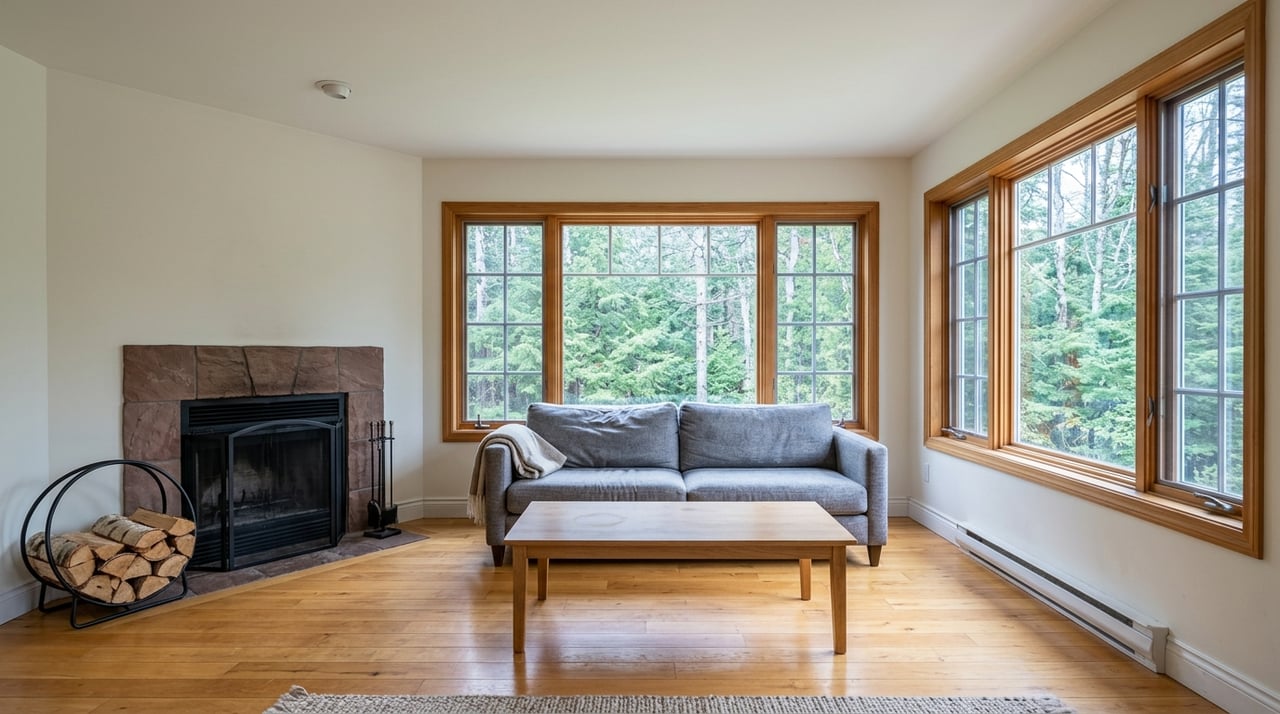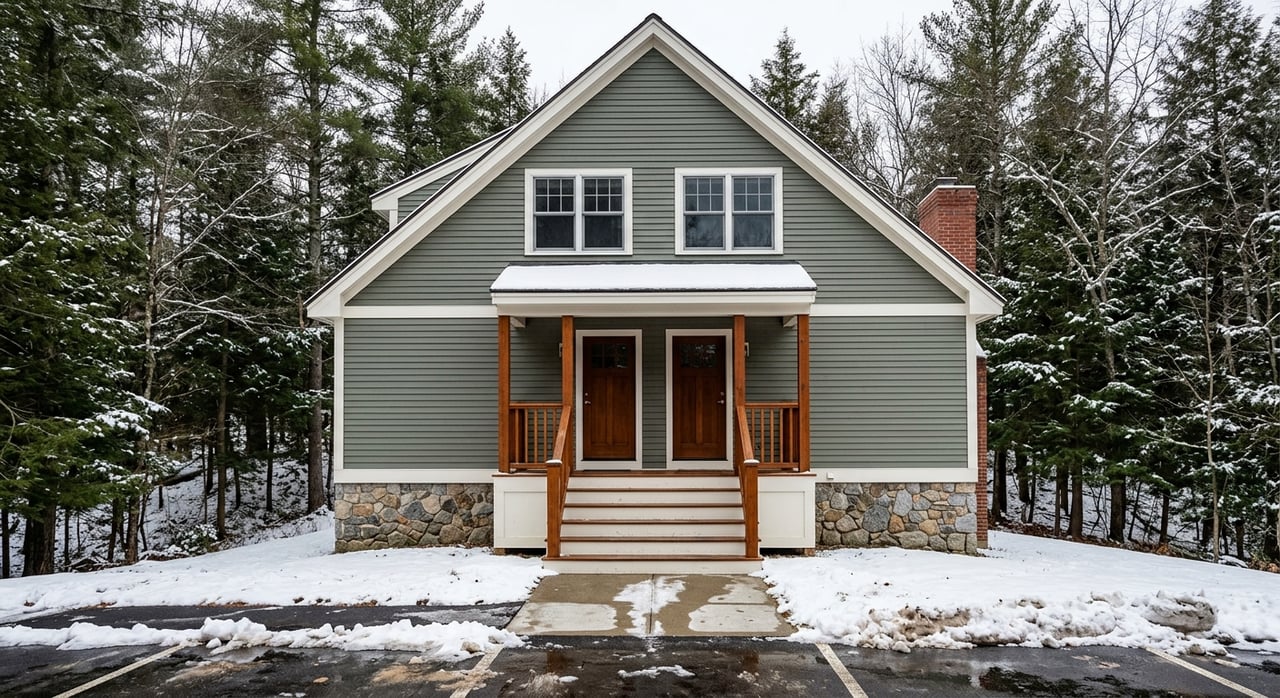
Trying to choose between a low‑maintenance condo near Loon or a stand‑alone home under the pines? You are not alone. In North Woodstock and neighboring Lincoln, both options can work well, but the right fit depends on how you plan to use the property, your budget, and how much time you want to spend on upkeep. In this guide, you’ll compare real costs, lifestyle tradeoffs, rental rules, and financing factors so you can move forward with confidence. Let’s dive in.
North Woodstock at a glance
North Woodstock sits in the western White Mountains along the Pemigewasset River, with quick access to I‑93 and Loon Mountain. Riverside parcels can be in mapped flood areas, so it pays to check local floodplain guidance early in your search. The Town’s pages outline local flood management and permitting considerations, which is a good starting point if you are eyeing river‑adjacent property. You can find tax and floodplain references on the Town’s official property tax page.
Property taxes are a key factor when comparing carrying costs. The Town of Woodstock posted a 2025 rate of 12.37 per $1,000 of assessed value, while the Town of Lincoln lists 12.66 per $1,000 for 2025. These rates help you estimate annual costs for similarly priced condos and single‑family homes.
Area‑level pricing varies by building, lot, views, and proximity to Loon. Broadly, condos often start below many single‑family price points, while detached homes can climb higher based on land, size, and condition. Always rely on current MLS comps for unit‑specific pricing.
Condo vs single‑family: key differences
Maintenance and monthly costs
Condos shift many day‑to‑day tasks to the association. Monthly HOA dues commonly cover exterior maintenance, snow removal, landscaping, and shared utilities or amenities like pools and shuttles. For a general sense of what dues often include, review guidance on what condominium associations typically manage and insure in their budgets and master policies. While this makes ownership simpler, you should plan for potential dues increases or special assessments in buildings with low reserves.
With a single‑family home, you control the work but also shoulder it. You will hire and schedule plowing, roof and system maintenance, and handle yard care. Cash outflows may be less predictable, especially if the property uses private well and septic. Budget for seasonal expenses and set aside reserves for larger repairs.
Privacy and space
Condos trade privacy for convenience. You will have neighbors close by and limited private outdoor space, yet enjoy on‑site amenities and walkability to dining, shops, and the slopes. This can be ideal for lock‑and‑leave living and weekend getaways.
Single‑family homes offer more separation, storage for gear and vehicles, and room for pets. Outlying parcels feel more rural, which many full‑time residents appreciate, but winter driving times can be longer.
Utilities and services
Service type affects inspections, remodels, and long‑term costs. Village‑area properties may have municipal water and sewer, while outlying homes often rely on private well and septic. Early in your search, confirm the service type on any address and review the Town’s sewer and water information so you know what to expect for permitting and maintenance.
Insurance and flood risk
Parcels near the Pemigewasset can fall within FEMA flood maps. Ask for any existing elevation certificates, review flood maps, and get quotes for required flood coverage. The Town’s tax and floodplain resources outline local flood management materials and permitting notes, which can guide what documentation you may need.
Financing for condos
Condo financing depends on the building as much as the unit. Lenders review the project’s reserves, insurance, owner‑occupancy, and litigation to determine if it is “warrantable.” Fannie Mae’s project‑eligibility standards explain how lenders evaluate condominiums and why some projects limit conventional, FHA, or VA options. If you plan to finance a condo, have your lender review the building early, especially if you also plan short‑term rentals.
What fits your goals
Second‑home buyer
- Choose a condo if you want low maintenance, walkability, and easy access to Loon. Ask for the HOA budget, reserve study, recent meeting minutes, and the master insurance policy details. Confirm any short‑term rental rules, owner‑use restrictions, and whether utilities like heat or internet are included in dues.
- Choose a single‑family home if you value privacy, outdoor space, and storage for skis, bikes, or a boat. Plan for snow removal, roof and system upkeep, and possible well and septic maintenance.
Rental investor
- Start with compliance. Lincoln requires short‑term rental registration and an on‑file permit, including life‑safety checks and an NH Rooms and Meals tax license. Woodstock has been actively working on short‑term rental rules, so verify the current ordinance status with the Town before you buy.
- Model revenue carefully. Local analytics show a recent average daily rate in the Lincoln area around the mid‑$250s, with seasonal occupancy that can vary month to month. Compare net outcomes for a condo with on‑site amenities versus a larger single‑family home that can host groups but requires more hands‑on operations.
- Confirm financing early for condos, since project eligibility can affect your loan options. Review the association’s rental policy and percentage of owner‑occupied units.
Full‑time resident
- Many locals choose single‑family homes for control over alterations, room to grow, and long‑term value. Compare property taxes between Woodstock and Lincoln to estimate annual carrying costs on your short list.
- If you prefer a simpler lifestyle near shops and services, a condo can be a practical option. Review HOA rules on renovations and any restrictions that may affect everyday living.
Costs to compare in North Woodstock
- Property taxes. Woodstock’s 2025 rate is 12.37 per $1,000. Lincoln’s 2025 rate is 12.66 per $1,000. Use these rates to compare two properties with similar assessed values.
- HOA dues. Resort‑area condos can show a wide range based on amenities. Some include heat, hot water, internet, and shuttle service, while others cover only common‑area care. Review the budget, reserves, and any pending assessments before you commit.
- Utilities. Ask what utilities are included in a condo’s dues and what you will pay separately. For homes on private systems, factor well and septic upkeep into your annual plan.
- Short‑term rental taxes and permits. Lincoln requires a local STR permit, and New Hampshire charges an 8.5 percent Rooms and Meals tax on short stays. Build these requirements and any management fees into your cashflow.
- Income potential. For a working pro forma, use conservative assumptions for average daily rate and occupancy based on local STR analytics. Model month‑by‑month seasonality instead of a simple annual average.
Location and lifestyle tradeoffs
- Walkability and amenities. Condos closer to the Lincoln village core typically offer better walkability to restaurants, shops, and shuttles to Loon. That convenience can boost guest appeal if you plan to rent.
- Space and setting. Single‑family homes on side roads and outlying parcels often deliver wooded privacy, larger yards, and storage buildings. Balance that with winter access and additional maintenance time or costs.
- River proximity. If you love the sound of the Pemigewasset, factor flood mapping and insurance into your decision. Ask for elevation details and consult the Town’s published flood resources before you finalize a purchase.
Due‑diligence checklist
Use this quick checklist to compare a condo and a single‑family home side by side:
- Municipal rules and taxes
- Confirm Lincoln’s short‑term rental permit process and display requirements if you plan to host guests.
- In Woodstock, check the latest Planning Board minutes or call the Town to confirm current short‑term rental rules.
- Compare 2025 tax rates in Woodstock and Lincoln to estimate annual carrying costs.
- Association review for condos
- Request the HOA’s current budget, dues breakdown, reserve study, master insurance summary, past 12 to 24 months of meeting minutes, and any pending special assessments.
- Clarify rental policies, owner‑use rules, pet policies, and alteration guidelines.
- Utilities and infrastructure
- Verify whether the property uses municipal sewer and water or private well and septic. Review the Town’s sewer and water service pages and ask for permits or designs if you plan to remodel.
- Flood and insurance
- Check FEMA flood maps, request any elevation certificate, and get quotes for flood insurance if applicable. The Town’s tax page includes links and references to local floodplain materials.
- Financing
- For condos, have your lender run a project review against Fannie Mae’s condo standards early. Ask whether your loan program requires specific project approvals.
- Rental modeling
- If investing, create a 12‑month pro forma using conservative ADR and occupancy data from local STR analytics. Subtract HOA dues, property taxes, insurance, utilities, platform and management fees, cleaning, supplies, and a repair reserve.
Ready to compare your short list?
Whether you want a lock‑and‑leave ski condo or the privacy of a wooded home, a side‑by‑side review of costs, rules, and lifestyle will make the choice clear. If you need a local partner to pull HOA documents, confirm permit requirements, or model rental performance, we are here to help. Connect with the neighborhood and the numbers, then choose the property that fits how you plan to live and play in the White Mountains.
If you would like tailored guidance and on‑the‑ground insight near Loon, reach out to the team at Bel Casa Realty to start your search.
FAQs
What are the 2025 property tax rates in Woodstock and Lincoln?
- Woodstock lists 12.37 per $1,000 of assessed value and Lincoln lists 12.66 per $1,000, which you can use to compare annual carrying costs for similar‑priced properties.
Do I need a permit for short‑term rentals in Lincoln, NH?
- Yes, Lincoln requires registration, a posted permit, and proof of an NH Rooms and Meals tax license, along with life‑safety checks and an emergency contact.
What is the New Hampshire Rooms and Meals tax rate for STRs?
- The statewide Rooms and Meals tax rate is 8.5 percent for short stays, and operators must register and remit to the New Hampshire Department of Revenue Administration.
How do condo HOA dues typically work near Loon?
- Dues vary widely by building and amenities, but many cover exterior maintenance, snow removal, common utilities, and sometimes heat, hot water, or internet; always request the budget and reserve documents.
Are condos near Loon always eligible for conventional financing?
- Not always; lenders evaluate the condo project against Fannie Mae standards, so have your lender check warrantability and required approvals before you make an offer.
How can I confirm sewer or water availability for a North Woodstock address?
- Ask the seller’s agent for utility details, then verify with the Town’s sewer and water service information, since outlying parcels often rely on private well and septic.