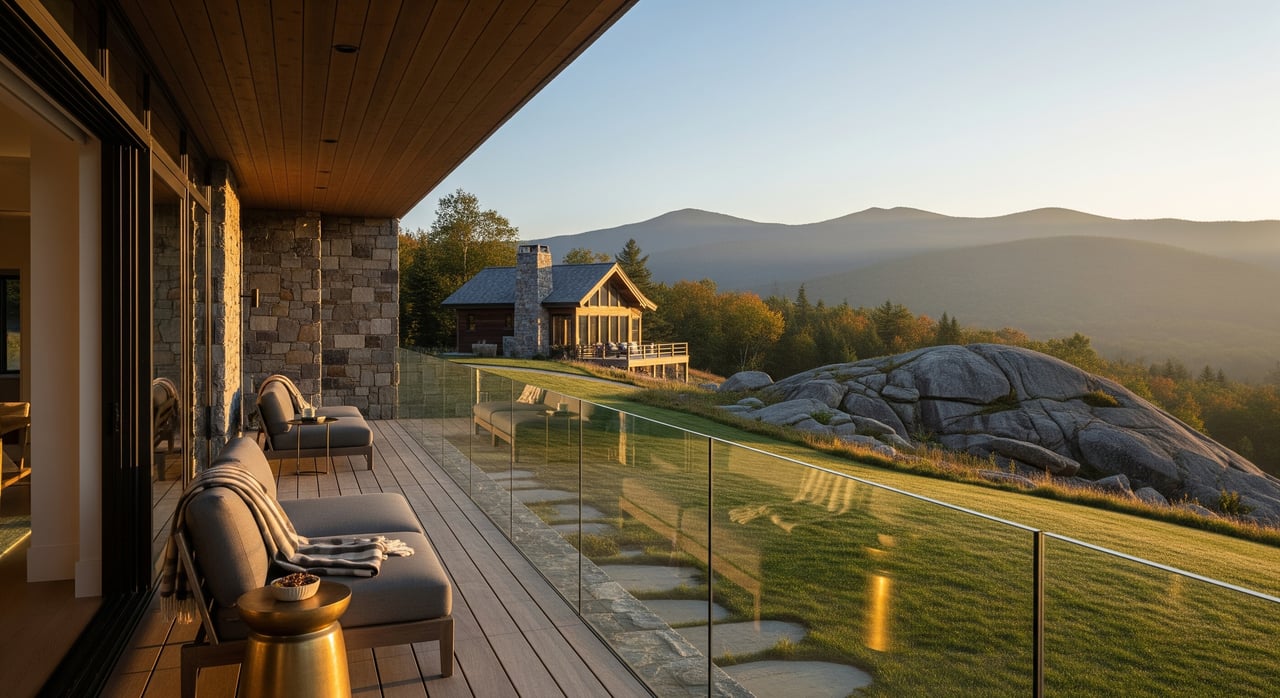
Torn between a low-maintenance condo and a rustic cabin in Easton? You are not alone. Many buyers eye 03580 for its forests, mountain access, and laid-back pace, then weigh that against the convenience of condo living nearby. In this guide, you will learn the key differences in ownership, costs, financing, maintenance, rental rules, and resale so you can choose with confidence. Let’s dive in.
Easton market at a glance
Easton is a small, rural town in Grafton County within the White Mountains. It draws people who want quiet lots, close-to-trails access, and seasonal homes. Inventory inside Easton is mostly single-family and cabins.
If a condo is on your wish list, you will often look to nearby towns where multi-unit communities exist and services are denser. Popular options include Lincoln, Franconia, Woodstock, Littleton, and Plymouth. For current numbers on pricing and days on market, ask for a recent 6 to 12 month MLS snapshot for 03580 and these neighboring towns.
Key takeaway: Easton favors cabins. For condos, widen your search to nearby towns while keeping your lifestyle goals in focus.
Ownership and control
Condo ownership basics
Condominium owners hold title to their unit and a shared interest in common areas. An association manages exterior upkeep and shared systems according to a declaration, bylaws, and rules. Monthly fees typically cover common-area maintenance, snow removal, reserves, and sometimes parts of utilities or amenities, depending on the master policy.
Before you buy, review the declaration, bylaws, budget and reserve study, recent meeting minutes, insurance summary, rental rules, and assessment history. In New Hampshire, condominium rights and obligations are guided by state law, including RSA 356-B.
Cabin ownership basics
Cabin ownership is fee simple. You own the land and buildings and handle all exterior maintenance, septic and well care, and structural repairs. There is no monthly condo fee, but you plan and pay for all upkeep and big-ticket items. Rural parcels may include deed restrictions, easements, or private road agreements, so read the deed and title report carefully.
What it means for you
- Condos offer predictable monthly fees and shared management. Cabin costs are variable and can spike for items like roof or septic replacement.
- Condo living comes with association rules and shared decision-making. Cabins give you more autonomy along with full responsibility.
- Associations carry a master insurance policy for common elements. Cabin owners carry the entire property risk on their own policy.
Financing and insurance
Loans: what to expect
Both condos and cabins can qualify for conventional financing, but the details matter.
- Condos must meet lender eligibility for the project. Lenders look at budgets, reserves, owner-occupancy, and litigation. If you plan FHA or VA financing, you will need project approval.
- Cabins used as a primary home can fit standard mortgages. If the cabin will be a second home or short-term rental, expect different underwriting, higher down payments, and possibly higher rates.
- FHA typically requires the buyer to occupy the home as a primary residence, which usually rules out seasonal second-home use.
Get pre-approval from a lender experienced with rural and vacation properties, and confirm condo project approval early if a specific loan program requires it.
Insurance differences
- Condos use an HO-6 policy that covers interior improvements and your personal property. The association’s master policy covers the exterior and common areas. Confirm what the master policy includes and any deductible obligations you may share.
- Cabins use a standard dwelling policy, and underwriting can depend on distance to fire service, presence of a wood stove, roof condition, and winter accessibility. Remote cabins often carry higher premiums or deductibles.
- Flood and winter risks deserve attention. If a home sits in a mapped flood zone, lenders typically require flood insurance. Steep or stream-adjacent sites can increase exposure to runoff or slope issues, which may be reflected in policy terms.
Pro tip: Request insurance quotes early for both options, and compare coverage details and deductibles side by side.
Taxes, permits, and rentals
Property taxes
Property taxes in New Hampshire are set locally. Easton’s tax assessor and Grafton County records can help you confirm rates and assessed values. Condos are assessed as individual units. Cabins are taxed on both land and structures. Associations may levy special assessments for large projects, which is separate from your property tax.
Short-term rentals
Short-term rental rules are set at the town level in New Hampshire. Requirements may include registration, safety checks, or zoning limits. Platforms might collect certain taxes automatically, but you are responsible for confirming compliance with state and local filing. Check Easton’s planning and zoning for current rules, and confirm whether condo associations allow short-term rentals before you buy.
Wells, septic, and environmental
Cabins often rely on private wells and on-site septic systems. Look for well flow and water quality testing and a septic inspection during due diligence. Properties near streams, wetlands, or shoreland can require specific state or local permits for improvements. Consult guidance on well construction, septic standards, and shoreland protections when planning repairs or upgrades.
Access and daily living
Roads and winter
In Easton and the surrounding White Mountains, winter access is a practical priority. Many cabins sit on private roads where owners share plowing and maintenance. Steep driveways may require four-wheel drive and ongoing snow management.
Condo associations generally handle snow removal for common areas and private roads within the development. This reduces your hands-on time, which can be valuable if you will not be here full time.
Utilities and internet
Condos usually have municipal or shared systems. Cabins commonly use private wells and septic, so ask for system age, capacity, and maintenance records. Heating fuel can be oil, propane, or wood in rural settings. Plan for deliveries during snow season and know the system’s service history.
Broadband can vary across Grafton County. Verify the exact service available at the property, especially if you plan to work remotely.
Seasonal readiness and inspections
Seasonal cabins may need winterization to avoid frozen pipes and other damage. Freeze-thaw cycles can be hard on structures, which makes a detailed inspection important. For condos, inspect your unit and also read association disclosures, reserve studies, and any reports on roofs, siding, decks, or roads.
Lifestyle fit and resale
Who a condo suits
- You want low maintenance and lock-and-leave ease.
- You prefer shared services like plowing and exterior care.
- You value a location near village amenities or ski areas in towns with condo communities.
Who a cabin suits
- You want privacy, land, and a more rustic setting.
- You like hands-on ownership and freedom to tailor the property.
- You prioritize nature access, trail proximity, and a quieter road.
Rental potential
Location drives performance. Units near trailheads, ski areas, or village centers tend to see stronger short-term demand. Condos can be simpler to manage if on-site services exist and the association allows rentals. Cabins can perform well near recreation hubs, but cleaning, snow access, and maintenance coordination take planning.
Always confirm local rules and any condo covenants related to rentals before you buy.
Resale outlook
Condos usually appeal to a broad buyer pool that includes downsizers and investors, which can help liquidity. Cabins in small towns can take longer to sell if they are remote or have deferred maintenance. Well-maintained properties with clear documentation and convenient access tend to attract stronger offers.
How to choose: quick checklist
Use this list to compare a condo and cabin side by side.
- Confirm how you will use the home: primary, second home, or investment.
- Ask for recent MLS comparables for 03580 and nearby condo towns.
- Review title, deed restrictions, easements, and any road agreements.
- Request recent utility bills and expected seasonal costs.
- Check distance and travel time to emergency services and year-round road maintenance.
Condo-specific
- Read the declaration, bylaws, recent minutes, budget, and reserve study.
- Verify scope of the master insurance policy and your HO-6 needs.
- Confirm lender approval for the project if your loan program requires it.
- Review rules for pets, rentals, and renovations.
Cabin-specific
- Order a full home inspection, septic inspection, and well flow and water quality tests.
- Verify who plows and maintains the driveway and road, and what it costs.
- Assess heating system condition, fuel storage, and delivery logistics.
- Confirm septic age, capacity, and replacement timeline.
Permits and taxes
- Confirm zoning, setbacks, and permitted uses with the Town of Easton.
- Ask about short-term rental registration or limits.
- Verify current property tax rate and valuation.
- Check FEMA flood maps for floodplain status.
Financing and insurance
- Get lender pre-approval tailored to your use case, including condo project requirements.
- Obtain insurance quotes for both a condo and a cabin and compare deductibles and exclusions.
Local search strategy
If you want a condo with easy access to ski areas and amenities, widen your search to towns with established developments like Lincoln, Franconia, Woodstock, Littleton, or Plymouth. If your heart is set on a quiet, wooded retreat within 03580, focus on cabin listings and evaluate road access, septic and well systems, and winter-readiness closely.
Either path can work beautifully in the White Mountains. Align the property with how you plan to use it, how much maintenance you want, and your financing and insurance comfort.
Ready to compare specific properties, review HOA documents, or plan inspections for a cabin in Easton? Connect with Bel Casa Realty for local insight on 03580 and neighboring condo markets, plus guidance on seasonal rental potential and property management options. Schedule a consultation.
FAQs
Are there condos inside Easton 03580?
- Easton’s housing is mostly single-family and cabins. Buyers seeking condos typically look to nearby towns with multi-unit developments such as Lincoln, Franconia, Woodstock, Littleton, and Plymouth.
How do condo fees compare with cabin costs in Grafton County?
- Condo fees are predictable and cover shared services and reserves, while cabins avoid monthly fees but carry variable costs for items like roof, septic, road, and snow removal.
How will lenders classify a cabin used seasonally in Easton?
- Many lenders treat a seasonal cabin as a second home or investment, which can mean higher down payments and different underwriting than a primary residence.
What does a condo master policy usually cover?
- The association’s master policy covers common elements and the exterior, while an HO-6 covers a unit’s interior and personal property. Confirm coverage scope and any deductible obligations or assessments.
What inspections are recommended for cabins with well and septic?
- Order a full home inspection, a septic inspection, and well flow and water quality testing. Review system age, capacity, and maintenance history.
What should I know about winter access on private roads?
- Many cabins rely on private roads where owners share plowing and maintenance. Plan for added snow costs and consider vehicle requirements for steep driveways.
Are short-term rentals allowed in Easton 03580?
- Short-term rental rules are local. Check Easton’s planning and zoning for registration, safety, or zoning limits, and confirm any condo association restrictions.
Which has better resale in the White Mountains, a condo or a cabin?
- Condos often draw a broader buyer pool, which can help liquidity. Cabins can sell well when they are well-located and well-maintained, but remote settings and deferred maintenance can lengthen time on market.