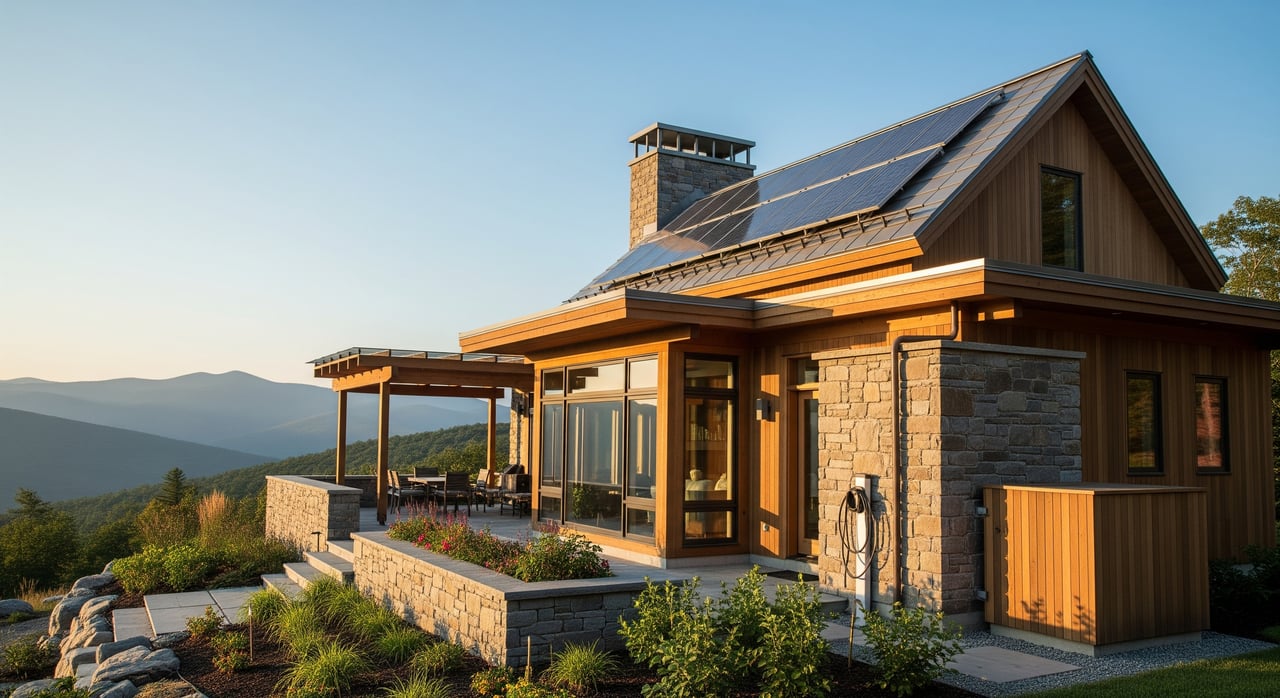
Heating can eat the biggest share of your home budget in the Franconia mountain region, and you feel it every long winter. If you own or are eyeing a place in 03251, you also know about wind, ice, and the occasional outage. The good news: a focused plan can cut costs, boost comfort, and add resilience without wasting money on the wrong projects. Below, you’ll find the highest-impact upgrades for mountain homes, how to stage work in the right order, and where incentives may help. Let’s dive in.
Why energy-smart upgrades matter in 03251
Cold climate and long heating season
Northern New Hampshire has a long heating season and a short cooling season. That means your biggest savings often come from reducing heat loss and choosing efficient heat sources. If you prioritize sealing, insulation, and right-sized equipment, you improve comfort and curb fuel use all winter.
Mountain home realities
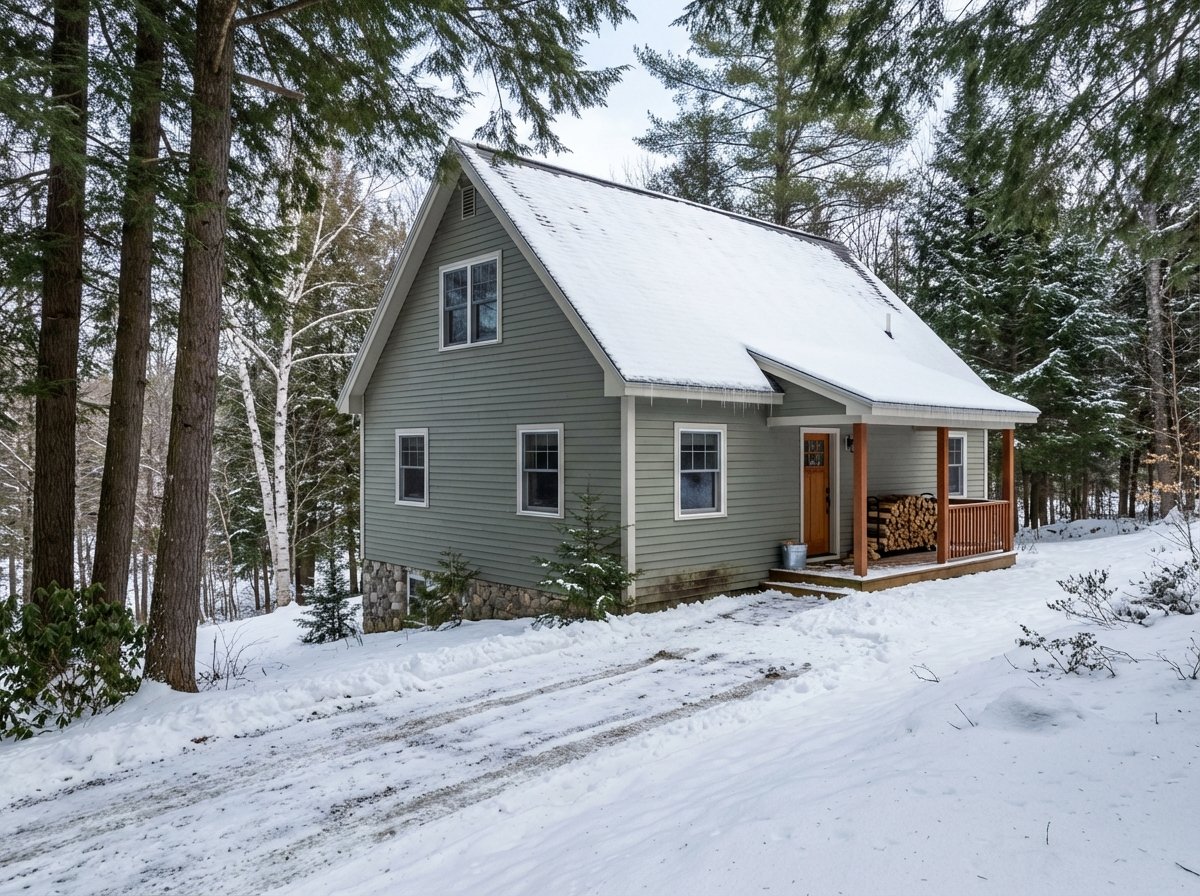
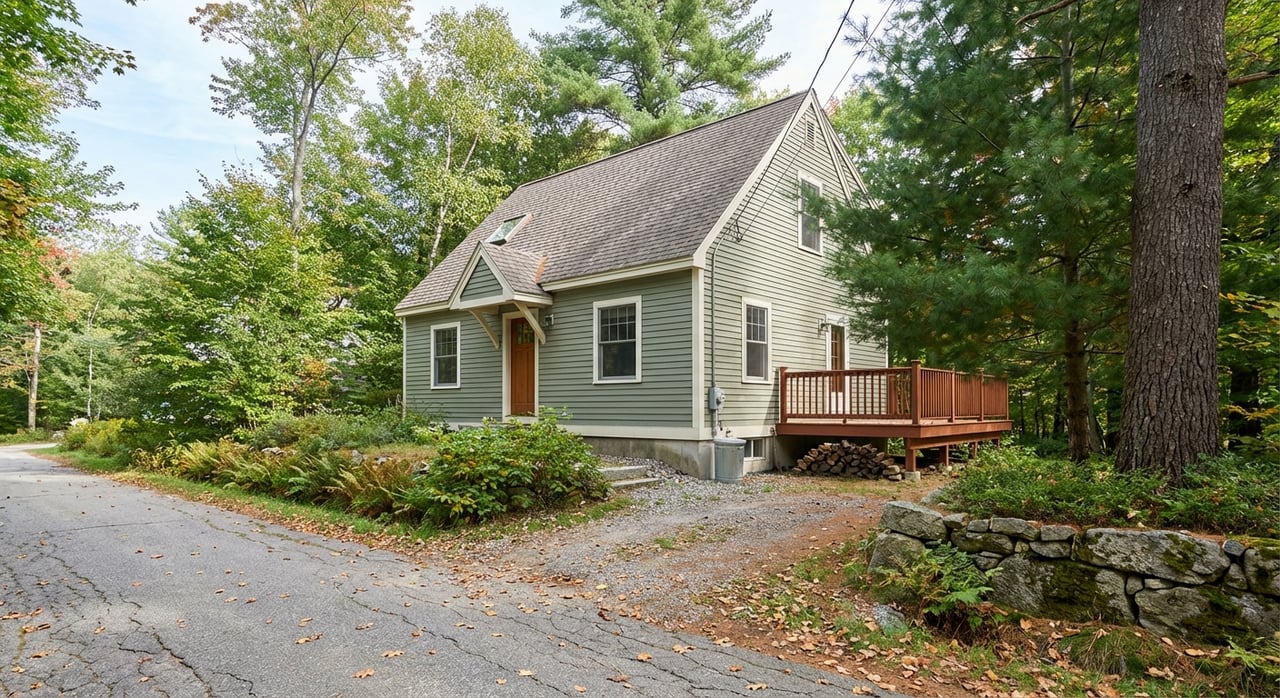
Franconia-area properties can sit on exposed sites with steep roofs, tall trees, and variable access. That adds a few wrinkles to planning: you want upgrades that work in cold weather and that keep you safe during outages. It also means thinking ahead about electrical service capacity and the age of major systems.
Start with the building envelope
Air sealing first
Air leaks make your heating system work harder and can pull moisture into the structure. A professional energy audit with a blower-door test and infrared scan will show where the big leaks are. Typical targets include attic penetrations, chimney chases, rim joists, and gaps around pipes and wires. Air sealing paired with attic work is often the best first dollar you can spend.
Insulation zones that pay off
Attics and rooflines: Top up or add insulation where levels are low, paying attention to baffles and ventilation where needed. Rim joists and basements: Insulate and seal to cut drafts at the foundation. Walls: Dense-pack or targeted insulation can help in older homes that predate modern standards. If you own a historic or log home, use approaches that are compatible and reversible.
Ventilation and moisture control
As you tighten up, plan for controlled ventilation to keep indoor air fresh and dry. In cold homes, unmanaged moisture can lead to condensation and comfort issues. You will likely need a dedicated system once the envelope gets tighter. See the section on HRVs and ERVs below.
Smart heating and hot water
Cold-climate heat pumps
Modern air-source heat pumps designed for cold climates deliver efficient heat even in low temperatures. They can cut propane and oil use and outperform electric resistance heat. Choose equipment rated for low-temperature operation and use an installer with experience in New Hampshire winters. Ducted or ductless mini-splits both work; the best fit depends on your layout and goals.
Hybrid and backup heat for resilience
For many mountain homes, a hybrid setup works well. You run the heat pump most of the time and keep a wood stove, pellet stove, or existing propane or oil system as backup during extreme cold or outages. This approach balances efficiency and peace of mind. Check your electrical panel capacity if you plan to add multiple indoor units or convert other appliances to electric.
Heat pump water heaters
Heat pump water heaters can greatly reduce water-heating costs. They cool and dehumidify the room they sit in, which can be an advantage in a conditioned basement. Plan for condensate drainage and freeze protection if the area is cool. If space is tight or unconditioned, discuss ducting options with your installer.
Fresh air without heat loss
HRV vs. ERV in cold homes
When you tighten your home, add a heat recovery ventilator (HRV) or an energy recovery ventilator (ERV) to bring in fresh air without a big heat penalty. HRVs exchange heat only, while ERVs also help manage humidity. In the Franconia climate, either can work depending on your home’s moisture profile and how you use the space. A professional can size the system to your layout and occupancy.
Windows, doors, and targeted fixes
Windows matter, but they are not always the first priority. If your current windows are serviceable, your money may work harder in attic and air sealing. For problem spots, consider storm windows, high-performance storms for seasonal cabins, or targeted replacement of the worst units with ENERGY STAR products. Upgraded weatherstripping and insulated doors can also cut drafts cost-effectively.
Ducts and distribution
If you have a ducted system, seal and insulate ducts, especially in unconditioned spaces like attics or crawlspaces. Leaky or uninsulated ducts waste a lot of heat before it ever reaches your rooms. For hydronic or baseboard systems, consider whether a partial heat-pump conversion for key zones makes sense. Balance flow and controls so you heat the rooms you use most.
Wood and pellet heat that is cleaner and safer
Wood and pellet stoves are common in rural New Hampshire. Modern EPA-certified models burn far more cleanly than older stoves and can serve as reliable backup heat. If you love wood heat, pair it with a tight, insulated envelope so you burn less wood and maintain steady comfort. Schedule chimney inspections and use seasoned fuel to keep systems safe.
Renewable power and backup
Is your site right for solar
Some mountain homes have excellent solar exposure, while others are shaded by trees or sit under steep, complex rooflines. Get a site assessment to confirm roof condition, orientation, and shading. If your roof is nearing replacement, plan that work before installing panels. Grid interconnection and net metering vary by utility, so check the rules for your specific meter.
Battery backup or generator
Battery systems can keep critical loads running during outages with low noise and little maintenance. They pair well with solar and can help you use more of your own power. For longer winter outages or whole-home coverage, a propane or diesel generator remains a proven option. Many homeowners choose a mixed strategy: a battery for everyday resilience and a generator for extended events.
Off-grid versus grid-tied
Most rural homes in the Franconia area stay grid-tied for reliability and cost. True off-grid setups require larger batteries, backup generation, and careful load planning. Before going off-grid, look at your outage frequency, fuel access, and winter load profile so you size systems correctly.
Costs and incentives in New Hampshire
Actual costs vary by house size, access, and contractor, but these ballpark ranges can help you start planning:
- Energy audit with blower-door testing: several hundred dollars.
- Attic insulation and air sealing: thousands of dollars, usually very cost-effective per unit of energy saved.
- Cold-climate air-source heat pumps: roughly $8,000 to $25,000 or more, depending on zones, ducting, and electrical work.
- Heat pump water heater: about $1,500 to $4,000 installed.
- Solar PV: many homes consider 5 to 10 kW systems; get local quotes tied to your roof and shading.
- Battery backup: critical-load systems start in the several-thousand-dollar range; whole-home systems cost more.
Federal incentives currently include the Residential Clean Energy Credit for solar and eligible storage, plus credits for certain heat pumps, water heaters, insulation, and related measures. New Hampshire utilities also run efficiency programs that may offer rebates for weatherization and heat pumps, and there are Weatherization Assistance Programs for qualifying households. Rules change over time. Keep invoices and product model numbers so you can document eligibility.
A simple step-by-step plan
Get a whole-house energy audit. Ask for a blower-door test and infrared scan. Confirm your heating fuel, panel size, roof age, and shading.
Tackle air sealing and attic work. Seal major leaks, add insulation, and improve ventilation details. Address safety items for any combustion appliances.
Plan mechanical upgrades. Choose cold-climate heat pumps sized for your layout. Keep or add a backup heat source if outages are a concern. Consider a heat pump water heater next.
Add balanced ventilation. Install an HRV or ERV as you tighten the envelope, sized for your home’s occupancy.
Evaluate renewables and backup. Get a solar site assessment and consider battery or generator options for resilience. Check utility interconnection rules early.
Line up rebates, permits, and documentation. Confirm permit needs with your town, apply for utility rebates, and save all specifications for tax credits.
Buyer tips for Franconia mountain homes
- Ask for recent heating bills, fuel type, and age of systems. Check for drafty rooms and uneven temperatures during showings.
- Look for attic access, signs of insulation, and caulking around penetrations. A pre-purchase energy audit can guide your first-year projects.
- Note electrical panel size and open breaker space if you plan to add heat pumps, EV charging, or a battery.
- Check roof condition and nearby tree shading if you are considering solar.
Seller tips to stand out
- Do the quick wins first: air sealing, attic top-ups, weatherstripping, and tune-ups for existing equipment. Small improvements can make showings feel warmer and quieter.
- Provide documentation. Share service records, recent insulation work, and equipment model numbers. Buyers value clarity.
- Consider adding a cold-climate mini-split for efficient cooling and shoulder-season heat. It upgrades comfort and signals low operating costs.
Ready to plan your upgrade?
Whether you are preparing to list, just purchased a getaway, or want to cut winter bills in your full-time home, a focused plan pays off in 03251. Start with an audit, knock out air sealing and insulation, then layer in heat pumps, ventilation, and backup power as budget allows. If you want local guidance on which upgrades best support your sale, lifestyle, or rental goals, connect with our team at Bel Casa Realty. We know mountain properties and can help you prioritize improvements that protect comfort and value.
FAQs
Do heat pumps really work in Franconia winters?
- Yes. Cold-climate air-source heat pumps are built for low temperatures, and many homeowners pair them with a wood, pellet, or propane backup for extreme cold or outages.
What should I upgrade first to cut bills fast?
- Air sealing plus attic and rim-joist insulation typically deliver the biggest and most affordable gains, followed by right-sized heat pumps and a heat pump water heater.
How do I keep indoor air fresh after tightening my home?
- Install a balanced ventilation system such as an HRV or ERV so you bring in filtered, tempered air without losing much heat.
Is solar a good fit for mountain homes with trees?
- It depends on site shading, roof condition, and orientation. A site assessment will tell you if you have enough sun and whether roof work should come first.
Should I choose a battery or a generator for outages?
- Batteries deliver quiet, instant backup for critical loads and pair well with solar, while generators are better for long outages or whole-home coverage.