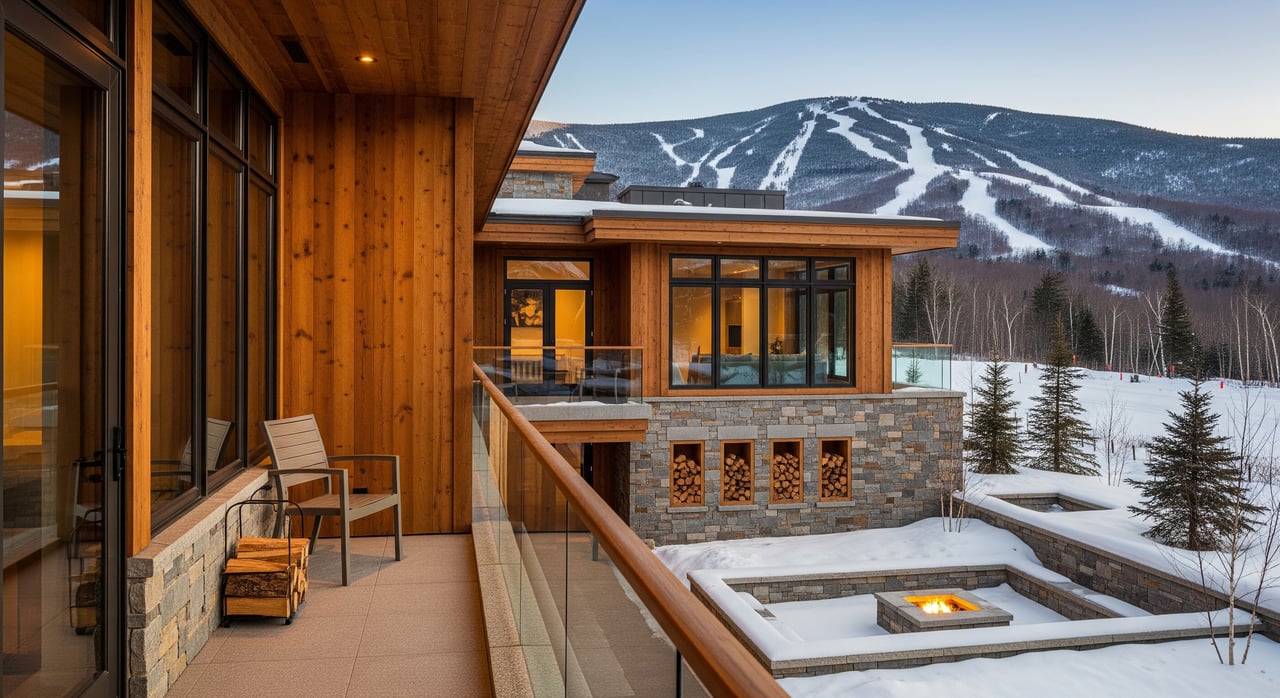
Thinking about a ski condo near Loon Mountain but unsure how the HOA works or what your dues really buy? You are not alone. HOA details can make a big difference in your cost, convenience and rental potential, especially in a four-season, snow-heavy market like Lincoln. In this guide, you will learn how associations here are set up, what dues usually include, how rules affect renting and ownership, and what to check before you buy. Let’s dive in.
HOA basics in Lincoln ski condos
Most Loon-area condo communities are organized as condominiums or common-interest associations. Each one runs on a set of core documents: the Declaration or CC&Rs defines ownership and common areas, the bylaws outline how the board operates, and the rules and regulations cover day-to-day items like parking, noise and rentals. An elected board of directors or trustees manages the budget, reserves, vendor contracts and enforcement.
Management styles vary. Some associations are self-managed by the board, some hire a professional management company, and others use a hybrid model. Ask who manages the community, since the setup can affect response times, turnover processes and vendor quality. During a purchase, you will also receive a resale or estoppel certificate. This document shows the current dues, any special assessments and whether the unit has outstanding balances. Treat it as a must-have in your due diligence.
State law guides how associations enforce rules and handle remedies. Because details are specific to New Hampshire and to each community’s documents, it is wise to consult an experienced local agent or attorney if you have questions about enforcement or rights.
What your dues usually cover
Every association is different, but most Loon-area HOAs fund a common set of services and reserves. What they include shapes both your monthly cost and your owner experience.
Typical inclusions in resort condos:
- Exterior building and common area maintenance, including roofs, siding, decks and painting.
- Snow removal and ice control for driveways, walkways, parking areas and sometimes roofs, a major recurring cost in Lincoln.
- Common utilities and services such as exterior lighting, shared water or sewer systems where applicable, and trash or recycling.
- Building insurance for common elements and the master policy, usually covering structure and shared areas. Interior elements are often the owner’s responsibility, so review the master policy limits and deductibles.
- Reserve fund contributions for long-term items like roof replacement, paving and major mechanicals.
- Management fees and professional services, including accounting, legal and sometimes on-site staff.
- Amenity operations and maintenance, such as pools, hot tubs, fitness rooms and shuttle services.
- Landscaping, pest control and administrative costs.
Owner costs often billed separately:
- Interior maintenance, repairs and upgrades within your unit.
- Individually metered utilities, such as electricity or gas, and cable or internet if not master-billed.
- Personal insurance for your unit and any required deductible coverage tied to the master policy.
Reserves and assessments
Healthy reserve planning is essential in a mountain environment. Reputable associations commission reserve studies to forecast capital needs over time. Freeze and thaw cycles, roof snow loads and mechanical wear can accelerate timelines here. Review the most recent reserve study, the reserve fund balance and the last few years of capital projects. Special assessments do happen in resort properties that deferred maintenance or had unexpected failures, so check the assessment history and read recent board meeting minutes for signs of upcoming projects.
Why dues differ so much
Dues vary widely based on building age, amenity level, professional management, reserve health and the scope of services. A complex with indoor pools and a staffed front desk will typically cost more each month than a small townhouse association that covers only plowing and exterior maintenance. Always request the current budget, year-to-date financials and recent billing history to see the full picture.
Amenity tiers and cost tradeoffs
Amenities drive both lifestyle and line items. Understanding the tiers helps you compare apples to apples.
- Basic associations: Cover common area maintenance, snow removal, exterior insurance and trash. These typically have lower dues.
- Mid-range resort communities: Add comforts like heated corridors, small fitness rooms or shared laundry, plus hot tubs or pools. Expect moderate dues.
- Full-service properties: Offer features such as a staffed front desk or concierge, on-site rental desks, heated garages and indoor pools, and may run shuttles or on-demand transport to Loon’s base area. Dues are higher and some services can carry per-use fees.
Ski-specific services also matter. Shuttle schedules, ski lockers and boot rooms, and robust roof-snow management all improve the owner and guest experience. On-mountain or village-adjacent buildings often command higher dues in exchange for maximum convenience. Off-mountain or riverside complexes tend to have lower dues but require a short drive or reliance on shuttle services.
Rules that shape ownership and rentals
Association rules can influence how you use the property and how you monetize it.
Common HOA policies you will see:
- Short-term rental rules. Minimum stays, registration processes or even bans can apply. Some communities require you to use approved vendors or an on-site program, and may charge an administrative fee.
- Owner occupancy and guest registration requirements.
- Occupant limits, parking policies, quiet hours and pet rules.
- Renovation and alteration approvals. Exterior changes and, in some cases, interior upgrades need board or architectural review.
- Insurance requirements for owners who rent, often specifying minimum liability coverage.
- Collections and late fees, including potential liens for unpaid dues.
Rental models and financing impacts
You can market and manage your own rentals, join an association- or property-managed rental program, or choose not to rent at all. Managed programs may pool income, charge commissions or tack on marketing fees, which can simplify operations but change your net revenue. Some lenders consider investor-to-owner ratios and rental restrictions when underwriting loans, so ask for occupancy data if financing is part of your plan.
Enforcement and disputes
Boards are typically empowered to issue fines, suspend privileges and levy assessments as allowed by the governing documents and state law. Always request disclosure of current or pending litigation and review any vendor or warranty disputes. A history of major litigation can signal risk for future costs.
Taxes and local requirements to note
New Hampshire does not have a broad state personal income tax or a general sales tax. That said, lodging and meals taxes and local occupancy or registration rules can apply to short-term rentals. Requirements can change, so verify current policies with the Town of Lincoln, Grafton County and the New Hampshire Department of Revenue Administration during your planning.
Your cost-of-ownership worksheet
To compare properties fairly, break down the total cost of ownership into simple buckets.
Monthly fixed costs:
- Mortgage payment if applicable.
- HOA dues.
- Property taxes divided by 12.
- Insurance for your unit and any required master policy deductible coverage.
- Utilities that are your responsibility, such as electricity or internet.
Variable or yearly costs:
- Special assessments. If likely, amortize over your holding period to see the true monthly effect.
- Maintenance and repairs within the unit.
- Seasonal heating costs and winter utilities.
- Management, cleaning and turnover costs if you plan to rent.
One-time or periodic items:
- Capital improvements or remodels that need association approval.
- Furniture and equipment replacements, especially for rental units.
If you plan to rent, also estimate net rental revenue. Start with projected gross income, then subtract commissions or program fees, cleaning and laundry, utilities you must cover, vacancy assumptions and any local taxes or registration fees.
Due diligence checklist for buyers
Ask for detailed financials and rules early. A single dues number can hide very different inclusions.
Documents to request:
- Current budget and year-to-date financials.
- Last 2 to 3 years of financial statements if available.
- Most recent reserve study and current reserve balance.
- Board meeting minutes for the last 12 to 24 months.
- Declaration or CC&Rs, bylaws and rules and regulations.
- Insurance certificate for the master policy, including limits and deductibles.
- Management contract and major vendor agreements, such as snow removal or pool maintenance.
- Disclosure of any pending litigation or recent settlements.
- Estoppel or resale certificate showing dues, delinquencies and pending assessments.
- Rental rules, registration forms and any rental program agreements.
- Occupancy mix or owner roster summary showing owner-occupied versus rented units.
- Notices of recent or upcoming capital projects.
Questions to ask:
- What exactly do the dues include, and which utilities are separate?
- When was the last reserve study updated, and how often is it done?
- Is there a history of special assessments, and what triggered them?
- What is the current reserve balance compared to the recommended amount?
- Are there any lawsuits pending or threatened?
- What are the specific rules for short-term and long-term rentals?
- How is snow removal handled, including roof snow management, and is it included in dues?
- Are heating and hot water individually metered, and what are winterization expectations for vacant units?
- What are the policies on pets, noise, parking and alterations?
- If there is a resort partner or rental program, how do fees and booking priorities work for owners?
Red flags:
- Low or no reserves in older buildings.
- Frequent special assessments over the past few years.
- High rental ratios if you prefer traditional financing or a quieter environment.
- Known construction defects or significant litigation.
- Master insurance with high deductibles or narrow coverage.
- Poor maintenance, high board turnover or short-term vendor contracts that churn.
Lincoln-specific ownership tips
Seasonality matters. Winter operations drive snow removal and heating costs, while shoulder seasons can affect rental demand. If you are not here full time, confirm winterization steps, whether utilities must remain on and whether the association or a local provider offers vacant-unit checks.
Access and convenience add up. Proximity to the Loon base area, shuttle frequency and in-building ski conveniences like lockers and boot rooms shape both lifestyle and dues. For off-mountain locations, ask about road maintenance plans and plowing reliability during storms.
If you plan to rent, line up logistics early. Confirm approved cleaning, laundry and maintenance vendors and whether the HOA requires licensed providers. For absentee owners, evaluate whether the management firm or a local property manager can handle keyholding, guest support and emergencies.
How Bel Casa helps you compare HOAs
Choosing the right condo is as much about the community as the floor plan. You deserve clear answers on budgets, reserves, insurance and rental policies before you commit. Our team understands Lincoln’s resort associations, from amenity-rich properties near the lifts to quieter townhome communities along the river. We help you gather the right documents, read between the lines and model total cost of ownership, including rental scenarios if that is part of your plan.
Ready to explore Loon-area condos with expert guidance and local insight? Connect with Bel Casa Realty to map your options and move forward with confidence.
FAQs
What do HOA dues typically include for Lincoln ski condos?
- Most cover exterior maintenance, snow and ice removal, common utilities and trash, master insurance for common elements, reserves and management, with amenities adding costs.
How do HOA rules affect short-term rentals near Loon Mountain?
- Many associations set minimum stays, require registration or approved vendors, and may charge fees, so read rental rules closely and confirm any program obligations.
Why are dues higher in some on-mountain condo buildings?
- Proximity to lifts, indoor pools, staffed services, heated garages and shuttles increase operating costs, which show up in monthly dues.
What is a resale or estoppel certificate when buying a condo?
- It is a document from the association stating the unit’s dues, assessment status and delinquencies, which you should review during due diligence.
How can I spot a healthy HOA budget and reserves?
- Look for a recent reserve study, steady reserve contributions, transparent financials and a clear plan for major projects, with limited reliance on special assessments.
What Lincoln-specific winter issues should I ask about?
- Ask about roof snow removal, freeze protection and winterization steps for vacant units, plus road and parking plowing schedules and vendor reliability.