Pricing a lakefront home in Moultonborough is not like pricing a home in town. The shoreline, dock, water depth, and even sunset views can swing value more than bedroom count. If you want to set a price that attracts serious buyers without leaving money on the table, you need a lake‑specific plan. In this guide, you’ll learn the factors that drive value on Lake Winnipesaukee, how to build a smart CMA, and what to do before you list. Let’s dive in.
Market snapshot: Moultonborough lakefronts
Moultonborough fronts Lake Winnipesaukee and several smaller lakes and ponds. Lake Winnipesaukee dominates the high‑value lakefront segment here and draws second‑home buyers, retirees, and local lake lovers. Remote work has widened the buyer pool, with many shoppers coming from southern New England and Greater Boston.
Waterfront markets move differently than general housing. Seasonality, water quality, beach usability, and weather matter. Demand surged during the pandemic and has since normalized in many places. For current pricing and inventory, study recent lakefront sales in the local MLS, Town of Moultonborough assessing data, and regional REALTOR® reports.
What drives value on the water
Waterfront frontage
Lineal frontage is a headline metric, but quality matters as much as length. A private sandy beach often commands more value than longer frontage that is shallow or rocky. Treat frontage as one input, not the whole story.
Shoreline and beach type
Usable, walk‑in sandy shoreline typically earns a premium. Ledge, marshy edges, or limited swim areas reduce perceived enjoyment and price. Buyers weigh how easily they can swim, launch, and relax at the waterline.
Views and sun exposure
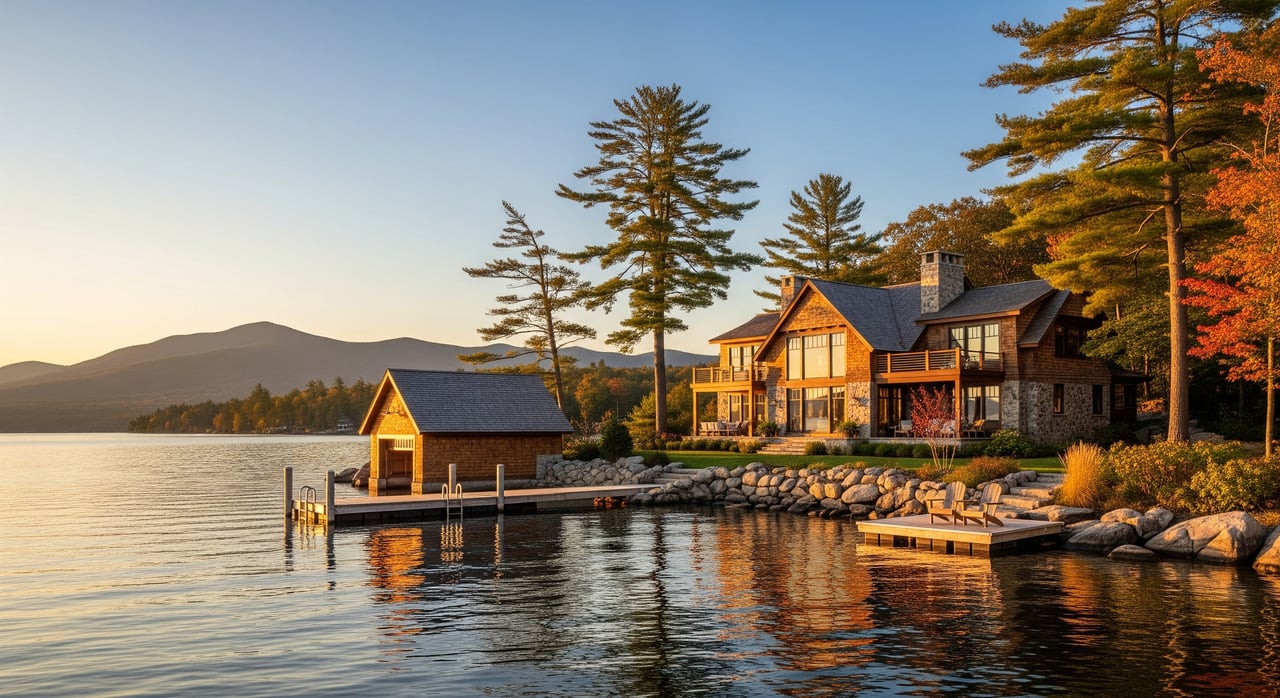
Open lake views, protected outlooks, and west‑facing sunsets are highly sought after. Clear sightlines from main living areas and decks increase emotional appeal and pricing power.
Water depth and access
Reliable depth at the dock or mooring and navigable water are key for boaters. Shallow or weedy approaches may limit use and affect value.
Dock, boathouse, and mooring rights
Existing docks, boathouses, or legally documented mooring rights add real utility. Condition and permitting status influence both appraised value and buyer confidence.
Lot and buildable upland
Usable upland area, not just total acreage, impacts future plans. Steep slopes, wetlands, or tight setbacks can limit expansion and reduce value. Gentle topography with room to improve supports a stronger price.
Utilities and year‑round access
Year‑round road maintenance and systems suitable for all‑season living can widen the buyer pool. Many lake homes rely on wells and septic systems, which should be documented and in good working order.
Condition and improvements
Homes set up for year‑round use with solid HVAC, insulation, and windows attract more buyers. Lake‑friendly upgrades like decking, landscaping, and boathouse improvements add appeal. Deferred maintenance at the dock, seawall, or septic is often priced into offers.
Legal rights and restrictions
Deeded access, riparian rights, and association rules affect day‑to‑day enjoyment. Shoreland and wetland buffers, zoning setbacks, and conservation easements control what you can change, which influences value.
Flood risk and insurance
FEMA flood zone status can impact financing and insurance costs. Elevation certificates, if available, help clarify risk and may support better terms for buyers.
Seasonality and supply
Spring and early summer attract the most lakefront shoppers. Active listings, recent local sales, and days on market for similar homes drive negotiation dynamics.
How to set the right price
Build a lake‑specific CMA
- Pull sold, pending, and active comps from the same lake and, ideally, the same bay within the last 6–24 months.
- Weight primary comps from Lake Winnipesaukee near your location most heavily. Use other bays as secondary comps and nearby lakes only as a tertiary reference.
- Adjust for waterfront details: frontage length and quality, beach type, view, water depth, dock/boathouse, mooring rights, and buildable upland.
- Adjust for the home: condition, bedroom/bath count, modern systems, and seasonal vs. year‑round readiness.
- Track days on market and sale‑to‑list ratios to gauge buyer tolerance for premiums.
Price‑per‑foot of frontage can be a helpful gut check, but do not rely on it alone. Differences in shoreline, views, and upland usability make simple per‑foot math unreliable.
Choose the right timing window
If possible, launch in spring or early summer when lake buyers are most active. Well‑priced properties can still sell off‑season when marketed correctly to year‑round and relocation buyers. Avoid overshooting the market early and missing peak traffic; small, supportable premiums are easier to defend than large leaps.
Bring in waterfront specialists
- Hire an appraiser with documented waterfront experience if you need a formal valuation.
- Consult Town of Moultonborough and state permitting resources for dock and shoreline status.
- For complex rights, easements, or association rules, speak with a land‑use attorney.
Permits, inspections, and disclosures that affect price
Dock and shoreland permits
Shoreline structures, including docks, boathouses, and seawalls, often need local and state approvals. Confirm whether structures are permitted and keep records handy. Buyers pay more when they do not have to question compliance.
Septic and well systems
Capacity, age, and location of the septic can materially affect price. Older systems may need upgrades. A proactive septic inspection and service records can reduce negotiation friction.
Flood zones and insurance
If your parcel lies in a FEMA Special Flood Hazard Area, a lender may require flood insurance. An elevation certificate, if available, adds clarity for pricing and buyer underwriting.
Title, access, and association rules
Verify deeded access, mooring rights, and any shared shoreline or rights‑of‑way. Association rules, including boat restrictions or guest moorings, should be disclosed to set buyer expectations.
Taxes and land use
Property taxes vary by town and assessed values may differ from market value. Current Use or conservation easements can reduce taxes but may carry restrictions or change‑of‑use penalties that influence price.
Environmental factors
Shoreline erosion, invasive species, and water quality trends can affect buyer perception and value. Keep records from local lake groups or agencies if available.
Pre‑list steps that boost value
- Repair or replace unsafe or worn docks and address obvious shoreline issues.
- Refresh landscaping with native plantings and thoughtful view corridors.
- Improve four‑season usability with insulation or heating upgrades if you plan to market as year‑round.
- Declutter and stage to spotlight lake views and indoor‑outdoor flow.
- Use professional photography, including drone and twilight shots, to capture scale, frontage, and sunsets.
- Prepare documentation: permits, septic and well reports, flood information, association rules, and any transferable mooring rights.
Example pricing checklist
- Define your target buyer: second‑home, retiree, or year‑round user.
- Gather documentation: permits, septic/well, flood, title, association.
- Inspect key systems: general home, septic, dock, and shoreline.
- Pull same‑lake comps from the last 6–24 months and tier them by proximity.
- Adjust for frontage, shoreline, view, water depth, dock/mooring rights, and buildable upland.
- Adjust for home condition, bedrooms/baths, and year‑round readiness.
- Sanity check with price‑per‑foot of frontage without over‑weighting it.
- Set a list price that fits seasonality and allows normal negotiation.
- Launch with top‑tier visuals and precise waterfront details in the listing copy.
Work with a local, marketing‑first partner
Pricing a Moultonborough lakefront home is equal parts data and nuance. You need a waterfront‑specific CMA, clear permit and system records, and premium presentation that showcases the shoreline experience. Bel Casa Realty pairs Lakes Region expertise with high‑touch service and elevated marketing that resonates with second‑home buyers, retirees, and local lake lovers. If you are planning to sell or want a pricing consult for your lakefront, let’s talk. Schedule a Consultation with Bel Casa Realty.
FAQs
How do I price a Moultonborough lakefront home?
- Start with a CMA using recent sales on the same part of Lake Winnipesaukee, then adjust for frontage quality, shoreline type, views, water depth, dock/mooring rights, buildable upland, and overall condition.
Do I need a waterfront‑experienced appraiser for pricing?
- Yes, for formal valuations an appraiser with waterfront experience is recommended because lakefront adjustments are lake‑ and bay‑specific.
Does longer frontage mean a higher price by default?
- Not always; frontage length helps, but sandy beach quality, open views, navigable depth, and usable upland often matter as much or more.
Will a lender require flood insurance for my lakefront?
- Possibly; if your property is in a FEMA Special Flood Hazard Area, lenders may require flood insurance, and an elevation certificate can clarify risk.
What permits matter for docks and shoreline changes?
- Docks, boathouses, seawalls, and similar work often require local approvals and may require state wetland or shoreland permits; verify status before listing.
Which inspections should I do before listing a lakefront?
- Get a general home inspection, a septic inspection or service report, and a dock/shoreline review; if flood risk is possible, locate or obtain an elevation certificate if available.