Thinking about relocating to the Franconia area of New Hampshire? A smooth move here starts long before the truck pulls up. Rural mountain towns offer a rewarding lifestyle, but they also come with unique logistics, seasonal weather, and property systems to plan for.
In this guide, you’ll get a practical, step-by-step checklist designed for Franconia and nearby Grafton County towns. You’ll learn what to verify, when to schedule it, and which official resources to use so you can move in with confidence. Let’s dive in.
First, confirm your exact town
The ZIP code and the town name do not always match in northern New Hampshire. Franconia and Grafton are separate towns in Grafton County, and municipal details like schools, tax rates, and transfer station rules differ by town.
- Verify your exact municipality and ZIP for all records.
- If you are unsure, contact the town office or use the postal tools on the official site for your address. You can also start a change-of-address through the USPS online portal.
- Once confirmed, use the correct town office for property taxes, trash permits, and local contacts.
Pre-move research for Franconia area homes
Property systems and access
Mountain-area properties often rely on private systems. Before you commit, confirm the condition and documentation of:
- Well and septic. Request recent well water tests for bacteria, nitrates, and arsenic, and confirm septic pumping and inspection records. Review state guidance from the NH Department of Environmental Services.
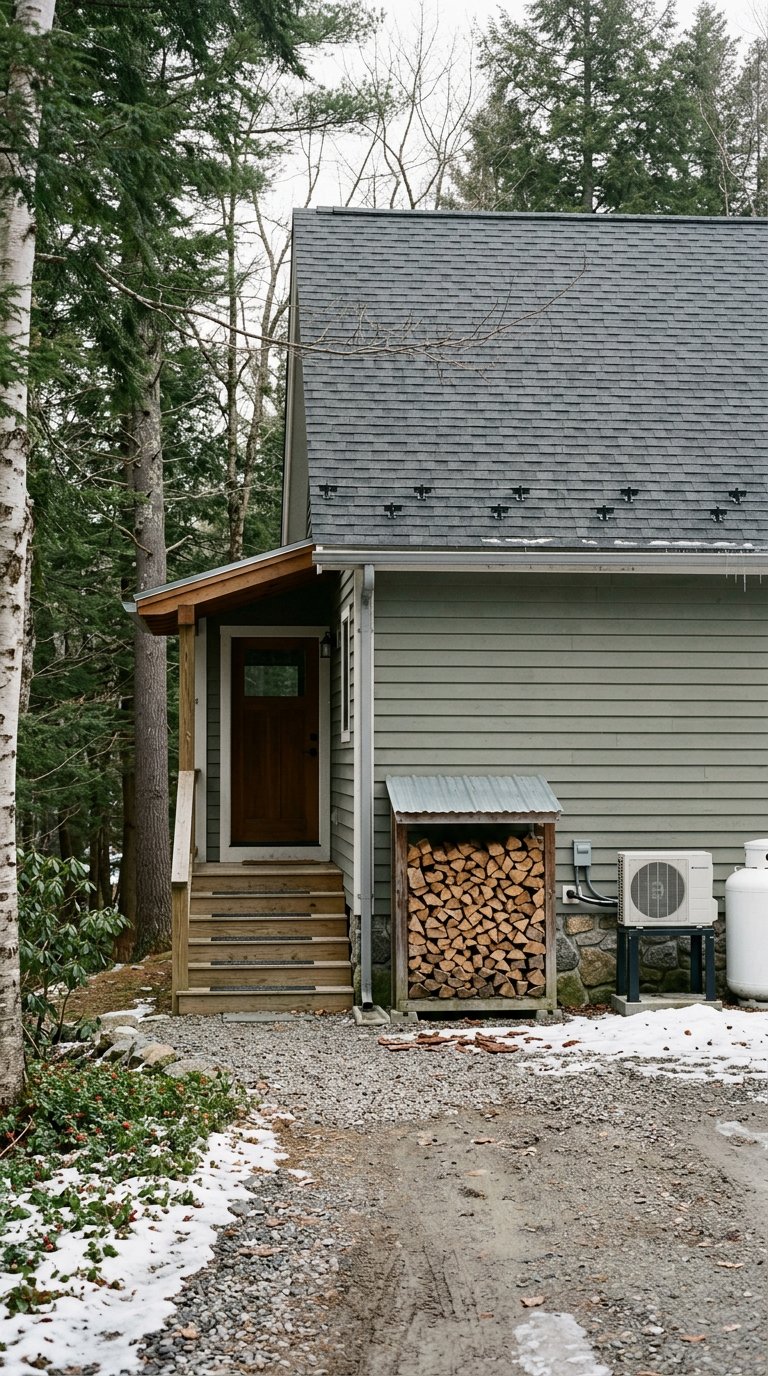
- Heating fuel. Identify whether the home uses oil, propane, wood, or a mix. Ask about tank ownership versus lease, last service date, and average annual fuel use.
- Roof, chimney, and heating system. Review age and service records. Ask about snow-load measures and ice-dam prevention.
- Driveway and access. Note grade, width, culverts, and snowplow access. Verify any private road or right-of-way agreements and who pays for maintenance.
- Boundaries and permits. Confirm surveys, easements, and permits for additions, decks, and septic work.
Environmental and hazard checks
- Flood risk. Review address-specific maps at the FEMA Flood Map Service Center and ask the town about local flood history.
- Radon. Mountain valleys can have variable radon levels. See testing guidance from the NH Department of Health and Human Services.
- Wetlands or conservation easements. Ask the town planning office to check for restrictions before you alter the property.
Utilities and connectivity
Service availability varies by address. Do not assume wired internet or strong cell service.
- Electricity. Confirm your electric provider and account setup timelines.
- Internet and cell. Check wired and wireless options on the FCC Broadband Map. Ask neighbors which carriers work best at the specific address.
- Water and wastewater. If you have a private well and septic, identify local vendors for testing and maintenance.
Schools and childcare
School districts and enrollment rules are set town by town. Verify the district for your address using the NH Department of Education resources and contact the district for documentation and timelines.
Healthcare, commute, and amenities
Expect longer drives to hospitals, larger supermarkets, and major employers than in suburban areas. In winter, travel times can increase. Map drives during different times of day and plan for seasonal tourism peaks.
Taxes and insurance
New Hampshire has no general sales tax and no broad-based personal income tax. Property tax rates vary by town. Review municipal rate information through the NH Department of Revenue Administration and request a seller’s utility and insurance history when possible. Discuss coverage options for snow load, water backup, well contamination, and flood insurance with your insurer.
Your step-by-step moving timeline
Start earlier if you are crossing state lines or moving during ski or foliage season.
8+ weeks out
- Confirm your exact town and ZIP for all paperwork and school records.
- Book movers or reserve a truck. For interstate moves, verify registration and safety records with the Federal Motor Carrier Safety Administration.
- If buying, confirm closing date and schedule your final walk-through.
- Ask the seller for utility history and set target transfer dates.
6 weeks out
- Schedule well and septic inspections if you are the buyer.
- Order moving supplies and start packing nonessential items.
- Notify schools and request student records if applicable.
- Update homeowners or renters insurance to start on your closing or move date.
4 weeks out
- Submit your USPS Change-of-Address and consider a local PO box if needed.
- Arrange final meter readings and utility shutoffs or transfers.
- Contact internet providers early. Rural installs can have longer lead times.
- If needed, arrange vehicle transport and confirm registration requirements for your new town.
2 weeks out
- Confirm mover arrival times and truck parking solutions.
- Pack an essentials box with documents, medications, chargers, basic tools, and winter gear.
- Notify banks, insurance, your employer, and subscriptions of your address change.
Moving day
- Complete a final walk-through and document meter readings.
- Keep original closing documents, inspections, warranties, and well and septic records in a safe folder.
After you arrive (within 1 to 2 weeks)
- Update your driver’s license and vehicle registration with the NH Division of Motor Vehicles. Check deadlines.
- Register to vote and confirm your property tax billing with the town office.
- Register children for school and transfer medical and dental records.
- Set up trash and recycling. Many towns use transfer stations with sticker fees.
- Confirm utilities and schedule any remaining installs.
Rural and seasonal realities to plan for
- Winter moving. Choose movers who operate in snow and ice and ask about their policies. Allow extra time for road conditions and clear your driveway and walkways. For road advisories, check the NH Department of Transportation.
- Heating fuel. Identify local oil or propane suppliers. If the tank is low, schedule an initial delivery right after closing.
- Septic and well winter prep. Know locations of septic access points and the wellhead, and protect them from freeze.
- Private roads. Confirm plow contracts, fees, and any planned road improvements with your road association or neighbors.
- Seasonal workforce. Trades can book out in peak seasons. Schedule non-emergency work early.
- Tourism impacts. Expect heavier traffic and lodging demand during ski season, summer hiking, and fall foliage.
Quick must-do checklist
- Confirm your town, ZIP, and school district.
- Order well and septic inspections if buying.
- Verify internet and cell options for the exact address.
- Check heating fuel type and schedule a first delivery if needed.
- Book movers early for winter or peak seasons.
- Transfer or activate utilities and schedule final meter readings.
- File a USPS change of address and update banks, insurance, and subscriptions.
- Update your license and registration with the NH DMV after you move.
- Locate the nearest hospital and urgent care and plan winter emergency routes.
- Visit the town office for property taxes, transfer station rules, and local registrations.
If you’re selling and moving out
- Compile maintenance records for well, septic, heating, and roof.
- Schedule final servicing like septic pumping or chimney cleaning and keep receipts.
- Arrange final utility readings and transfers, and provide instructions for seasonal systems.
- Confirm tax proration with the closing agent and notify the town tax office of the sale.
Local tools and contacts you will use
- Wells and septic guidance: NH Department of Environmental Services
- Radon and water health: NH Department of Health and Human Services
- Property tax and municipal rates: NH Department of Revenue Administration
- School lookup and enrollment info: NH Department of Education
- Driver’s license and registration: NH Division of Motor Vehicles
- Change of address: USPS
- Flood risk: FEMA Flood Map Service Center
- Internet availability: FCC Broadband Map
- Road conditions and winter advisories: NH Department of Transportation
- Registered interstate movers: FMCSA
Ready to relocate with confidence?
If you want a local, hands-on partner to help you navigate property systems, seasonal logistics, and the White Mountains market, we are here to help. Connect with Bel Casa Realty to plan your move and make a smart purchase or sale in Franconia and surrounding Grafton County towns.
FAQs
What should I confirm first when moving to Franconia?
- Start by confirming your exact municipality and ZIP so your taxes, school enrollment, and transfer station access are set up correctly.
How do I check internet and cell service at a mountain address?
- Verify wired and wireless options on the FCC Broadband Map, then ask neighbors which cell carriers work best at the property.
Do I need a septic inspection for a Grafton County home?
- Yes. Request a certified septic inspection and recent pump records, and confirm permits for any system changes with the town.
What insurance considerations are common in the White Mountains?
- Discuss snow-load coverage, water backup, well contamination, and flood insurance with your insurer based on the home’s features and location.
How do I find the school district for my new address?
- Use NH Department of Education resources to confirm district and enrollment steps, then contact the district office for required documents.
What DMV steps apply after I move to New Hampshire?
- Update your driver’s license and vehicle registration within the required timeframes and complete a local vehicle inspection where applicable.