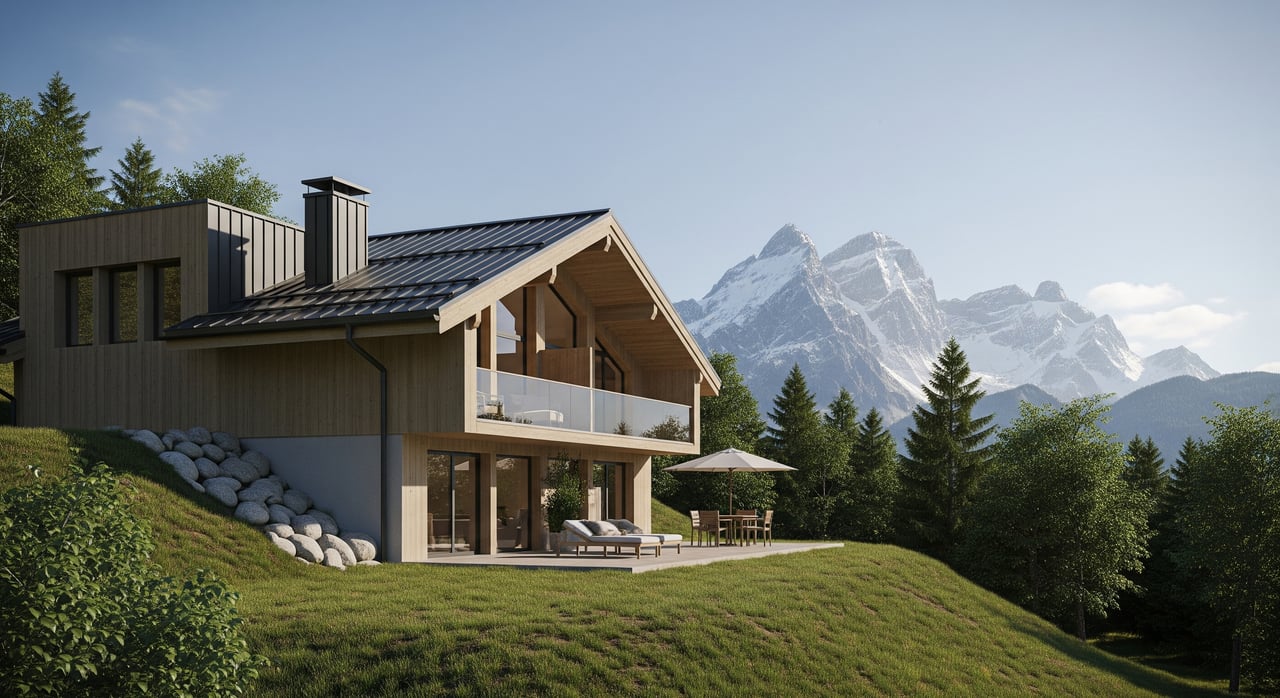
Thinking about a getaway place near the White Mountains where you can ski, hike, and unplug? If North Woodstock is on your radar, you are not alone. Buyers are drawn to its small-town feel, access to Loon Mountain, and four-season recreation. The big question is how to finance a second home in a market with unique property types and seasonal considerations. In this guide, you will learn the most common loan options, what lenders expect, and local factors that can affect approval and costs. Let’s dive in.
What counts as a second home
A second home is a property you use for your own vacations or seasonal stays, while you maintain a primary residence elsewhere. Lenders expect you to occupy it intermittently and not to rent it out as your main use.
If you plan to rent the property a significant part of the year or rely on rental income to qualify, lenders often treat it as an investment property. That change affects the down payment, interest rate, and documentation. Clarify your intended use early so your lender applies the right rules.
Your financing options in North Woodstock
Conventional second-home mortgages
For many buyers, a conventional second-home loan is the most straightforward path. You will typically see down payments in the 10 to 20 percent range, with stronger credit and lower debt-to-income limits than a primary residence mortgage. Lenders may also ask for more months of cash reserves because you will be carrying two homes.
These loans work well if your main goal is personal use. Expect your lender to confirm that you keep a primary residence elsewhere and that the property is suitable for year-round occupancy.
Conventional investment-property loans
If you plan to operate the home as a short-term or long-term rental, you will likely need an investment-property loan. These usually come with higher down payment requirements, higher rates, and tighter underwriting. Some lenders will consider existing rental income or signed leases, but they use specific rules and may only count a portion of that income.
This route can still be a fit if you want to offset carrying costs with rental revenue. Just plan ahead for the stricter documentation.
Jumbo financing in Grafton County
If the price exceeds conforming loan limits, you will need a jumbo loan. Jumbo lenders often require stronger credit, larger down payments, and more documentation of income stability and assets. If you are shopping higher-priced homes near Loon Mountain or larger acreage, get pre-approved with a lender that actively does jumbos in the area.
HELOCs, second mortgages, and cash-out refinance
Many North Woodstock buyers use equity from their primary home to fund a second-home purchase. You can draw on a home equity line of credit, take a fixed-rate second mortgage, or do a cash-out refinance on your primary residence. Lenders will look at your combined loan-to-value and total debt, and HELOCs are typically variable-rate. Compare the true costs, including closing fees and how quickly you plan to pay the borrowed funds back.
Portfolio and specialty lenders
Some properties in the White Mountains are unique. You might find a cabin on a private road, a cottage with an older septic system, or a condo in a smaller association. If the home does not fit standard guidelines, a portfolio lender or community bank that keeps loans in-house can be more flexible. Expect slightly higher rates in exchange for that flexibility.
Bridge loans and seller financing
A bridge loan is a short-term option that helps you buy before you sell another property. These are convenient when timing matters, but they cost more and require strong credit and assets. On occasion, a seller may offer financing for the right buyer and property. This depends on the seller’s situation and the title history, so terms vary widely.
Why FHA, VA, and USDA rarely apply
FHA, VA, and USDA loans are designed for primary residences. Each program includes an occupancy requirement that usually rules out second homes. If you intend to use the North Woodstock property as your year-round primary residence, you can explore those programs. For a vacation or seasonal home, you will almost always use conventional or portfolio financing.
What lenders look for
Down payment, credit, and debt-to-income
Second-home loans usually require more money down than a primary home mortgage. Strong credit, consistent income, and a lower debt-to-income ratio help you qualify and can improve your rate. If your profile is borderline, increasing your down payment or paying off debt can make a difference.
Cash reserves
Because you will carry two homes, lenders often require several months of reserves. These are funds you can access to cover mortgage payments, taxes, insurance, and association dues on both properties. Exact requirements vary by lender and loan type.
Income and rental documentation
Expect to provide recent pay stubs, W-2s, and tax returns. If you are self-employed, you will need tax returns and possibly a profit and loss statement. If you plan to use rental income to help qualify, lenders usually require a history of rents or signed leases and will only count a portion of the income.
Property condition and appraisal
Vacation-area homes can present unique appraisal and condition questions. Lenders want properties that are safe, habitable, and accessible. Seasonal roads, limited winter access, private wells, older septic systems, or space heating that cannot support year-round living can trigger repair demands or push you toward a portfolio lender. Appraisals may also be more complex if there are few comparable sales.
Insurance requirements in the White Mountains
Every lender will require homeowner’s insurance, and some properties also need flood insurance based on location. In northern climates, insurers focus on winterization, heating systems, and snow-load suitability. Premiums for second homes can be higher than for a primary home. Your lender will include insurance in your monthly cost analysis, so get quotes early.
Local factors that can affect your loan
Road access and winter maintenance
Year-round access matters. If a home sits on a private or seasonal road without winter maintenance, some lenders will not finance it with standard programs. You may need a portfolio lender, a larger down payment, or proof of a road maintenance agreement.
Private well and septic
Many rural properties in Grafton County use private wells and septic systems. Lenders and insurers want to see that these systems are functional and meet local health standards. You may need a recent inspection and, in some cases, repairs before closing.
Short-term rental plans
Short-term rentals are common in the White Mountains and can help offset costs. From a financing standpoint, rental intent can change your loan type and documentation. Local ordinances may also require registrations or inspections, so confirm rules with the town before you buy. If counting rental income for qualification is important, build a documented track record or be prepared for the lender to discount projected income.
Taxes and carrying costs
New Hampshire has no broad-based income or sales tax, but property taxes and local assessments apply and vary by town. Your lender will use the property’s assessed taxes and insurance to calculate your total monthly payment or escrow. If the home is in a condo association or resort community, factor in HOA dues as part of your monthly carry.
Smart strategies for North Woodstock buyers
- Decide your use case first. Second-home use often means better rates and lower down payments than an investment loan, but it limits rental flexibility.
- Get pre-approved with a lender that understands the White Mountains. Ask how they treat private roads, well and septic, and condos with smaller associations.
- Price the whole monthly carry. Include taxes, insurance, HOA dues, utilities, maintenance, and a realistic reserve for winter and seasonal upkeep.
- Compare financing paths. A conventional mortgage, a HELOC from your primary home, or a portfolio loan can all work depending on your timeline and property type.
- Line up inspections that match local risks. Focus on heating systems, winterization, roof snow-load capacity, well quality, and septic function.
- If rental income matters, plan ahead. Document existing rental performance or understand how much, if any, projected income your lender will allow.
Your lender-ready prep checklist
- Proof of your primary residence, such as a driver’s license or utility bill
- Recent pay stubs, W-2s, and two years of tax returns if self-employed
- Recent bank and investment statements to verify down payment funds and reserves
- A list of current debts and monthly obligations
- Any existing rental history, leases, or performance reports if you plan to rent
- Property details that matter to underwriting, including access, road maintenance, well and septic, and any condo documents
Tax basics to know
Mortgage interest on a second home can be deductible under federal rules, subject to overall limits and documentation. If you rent the property, rental income is taxable and many expenses can be deductible. The IRS also has special rules for vacation homes when you both use and rent the property during the same year. Your lender’s occupancy classification may differ from how the IRS treats your property for tax purposes. Speak with a qualified tax professional so your ownership and financing plan align with current guidance.
Next steps
Buying a second home in North Woodstock is as much about lifestyle as it is about numbers. The right financing, paired with smart due diligence on access, utilities, and insurance, will set you up for a smooth purchase and long-term enjoyment. If you want help matching properties to realistic financing paths, understanding short-term rental potential, or navigating HOA rules near Loon Mountain, our local team is here to guide you from first showing to closing and, if you choose, seasonal rental or property management.
Ready to explore your options or get connected with local lenders who know the White Mountains market? Reach out to Bel Casa Realty to schedule a consultation.
FAQs
Can I use FHA, VA, or USDA loans to buy a second home in North Woodstock?
- These programs are designed for primary residences, so buyers of vacation or seasonal homes typically use conventional or portfolio financing instead.
What down payment do I need for a vacation home in Grafton County?
- Many second-home mortgages fall in the 10 to 20 percent down range, while investment loans and jumbos often require more depending on your profile and the property.
Will a lender finance a cabin with a private well, septic, or seasonal road access?
- Yes, in many cases, but lenders will scrutinize habitability and access, and some properties may require a portfolio loan or repairs before closing.
How do short-term rental plans affect mortgage approval for a White Mountains home?
- If rentals are a significant part of your use or you need rental income to qualify, lenders usually treat the home as an investment property with stricter terms and documentation.
Should I use a HELOC from my primary home or a new mortgage to buy a North Woodstock second home?
- It depends on your equity, rate options, and timeline; compare the total costs, rate structure, and combined loan-to-value with a lender who can model both paths.
What extra insurance or reserve requirements should I plan for in the White Mountains?
- Second homes often have higher insurance premiums, and lenders may require several months of reserves; winterization and snow-load suitability also factor into coverage.
Are there local short-term rental rules in the Town of Woodstock that could affect my financing or operations?
- Many New Hampshire towns regulate short-term rentals through permits or safety rules, so confirm current requirements with the town office before you buy or list the property.