Thinking about turning your Lincoln property into a short-term rental? You are not alone. With Loon Mountain nearby and year-round White Mountains tourism, demand can be strong if you set things up the right way. In this guide, you will learn the essentials on rules, taxes, pricing, safety, and operations so you can launch with confidence and protect your investment. Let’s dive in.
Why Lincoln works for STRs
Lincoln sits in the heart of the White Mountains, and Loon Mountain Resort drives steady interest. Winter brings skiers and snowboarders who book weekends and holiday weeks. Summer is popular with families who come for hiking, rivers, and area attractions like Flume Gorge. Fall foliage season can rival winter for rates and occupancy.
Expect a seasonality pattern that peaks in winter and fall, stays strong in summer, and slows in spring. Proximity to weekend travelers from southern New Hampshire and Greater Boston helps fill calendars, especially when you tailor pricing for high-demand dates.
Know the rules and taxes
Town zoning and registration
Start with the Town of Lincoln’s zoning and code enforcement offices. Ask if you need a business license, registration, or permit to operate. Confirm occupancy limits, parking requirements, quiet hours, and any signage or posting rules. If your property sits in a specific zone, check the use table to confirm short-term lodging is allowed.
State Meals & Rooms (lodging) tax
New Hampshire does not have a general sales tax, but short-term lodging is typically subject to the state Meals & Rooms (lodging) tax. Register with the New Hampshire Department of Revenue Administration as needed, learn the filing schedule, and understand how collection works. If Lincoln adopts any local lodging taxes, the town tax office can clarify procedures.
HOA and condo rules
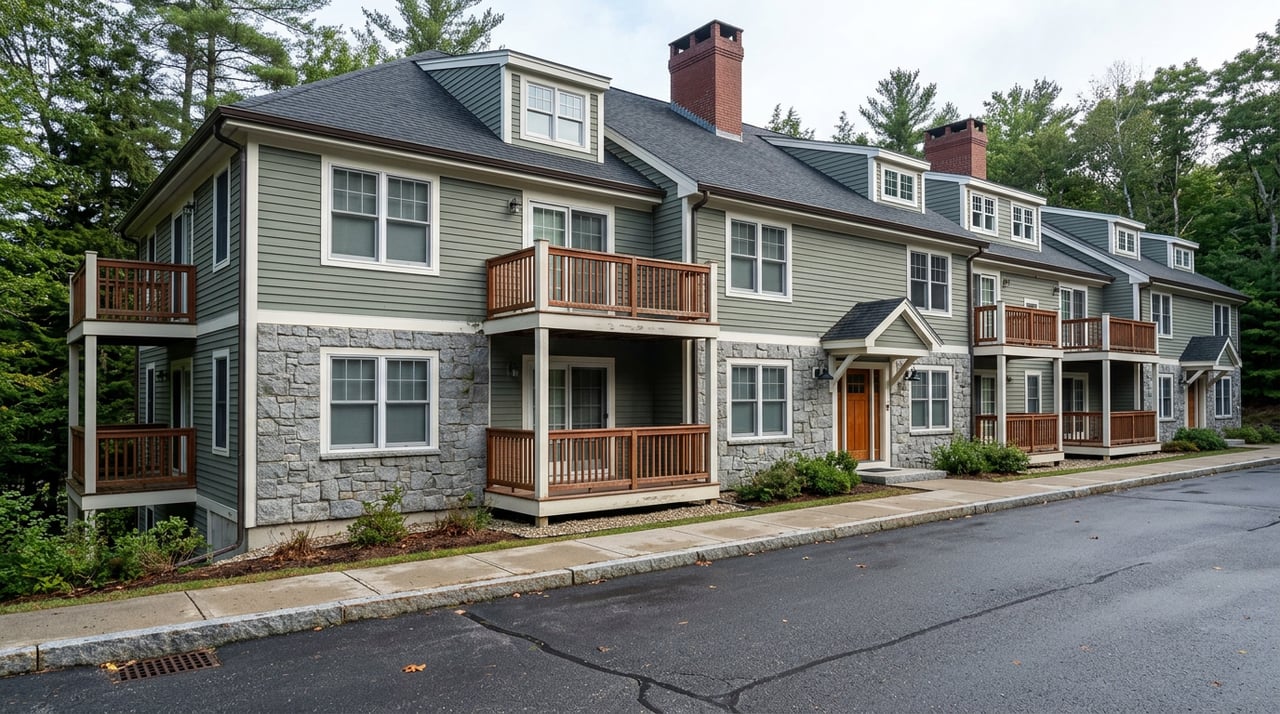
Many associations in resort areas set their own rental policies. Review your condo declaration or HOA bylaws for any restrictions, minimum stays, or enforcement procedures. Obtain written confirmation so your listing and calendar match the rules.
Insurance and liability
Standard homeowner policies often exclude short-term rental activity. Ask your insurer about a short-term rental endorsement, landlord policy, or a commercial policy. Verify liability limits, consider an umbrella policy, and remember that platform protections have exclusions. Aim for coverage that specifically addresses guest incidents, property damage, and loss of income if available.
Safety and inspections
Coordinate with the Lincoln Fire Department or building inspector to review safety requirements. Install and test smoke and carbon monoxide detectors. Supply visible fire extinguishers and post emergency information. Confirm egress, bedroom safety, and any required occupancy signage.
Privacy and monitoring
If you use exterior security cameras or noise-monitoring devices, provide clear disclosures and follow privacy rules. Avoid audio recording and interior cameras. Keep your house rules transparent so guests understand what is monitored and why.
Property readiness and safety
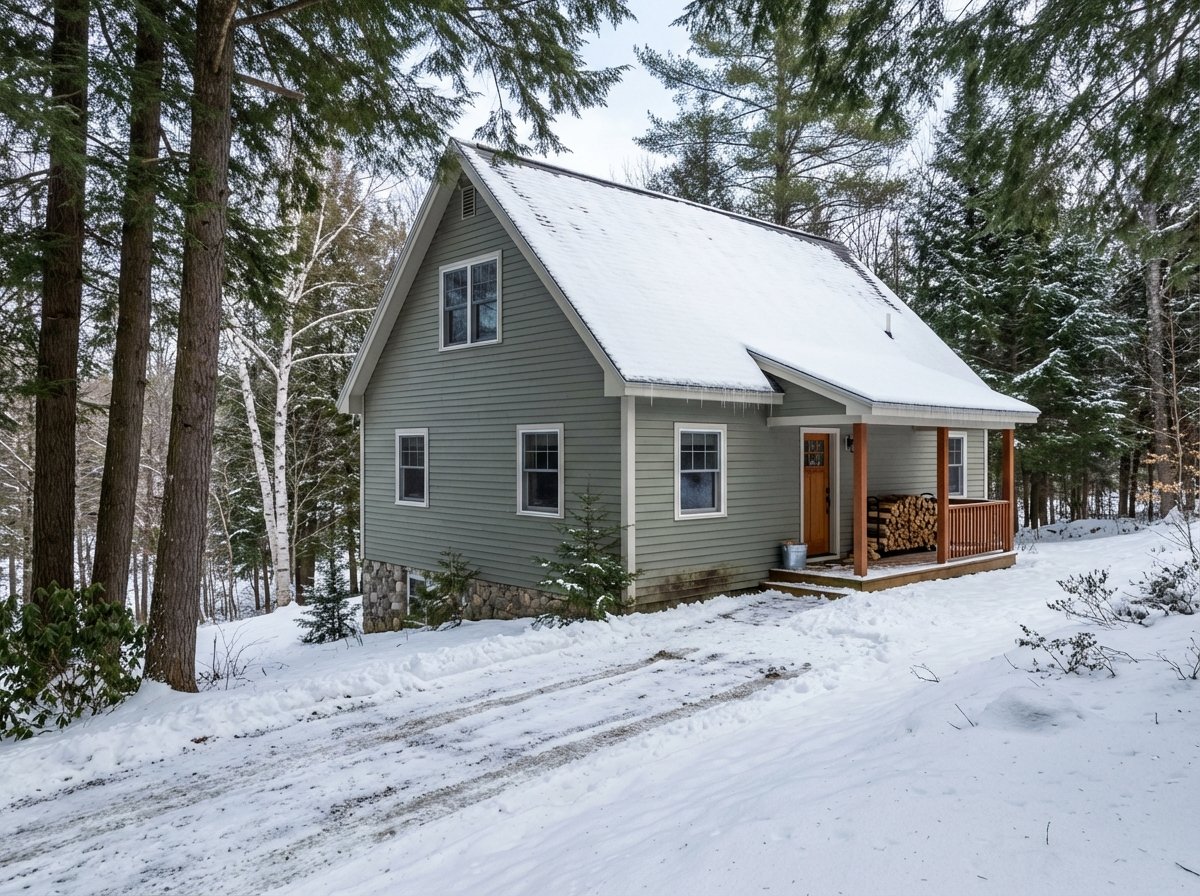
Winter readiness matters in Lincoln. Plan for reliable snow removal, sand or salt for walkways, and safe access to parking. Ensure the heating system is serviced and consider backup heat options. If you have a fireplace or wood stove, schedule regular inspections and provide clear use instructions.
Check septic and water capacity before setting occupancy. Short-term rental patterns can stress older systems. Confirm tank size, pumping schedules, and any permit requirements. Make sure Wi‑Fi is reliable and list accurate speeds since some guests work remotely.
What guests want near Loon Mountain
Amenities drive bookings and higher nightly rates. The most requested features near ski and mountain towns include:
- Proximity to Loon Mountain and trails
- Hot tub or sauna with clear maintenance and safety procedures
- Fireplace or wood stove, plus straightforward instructions
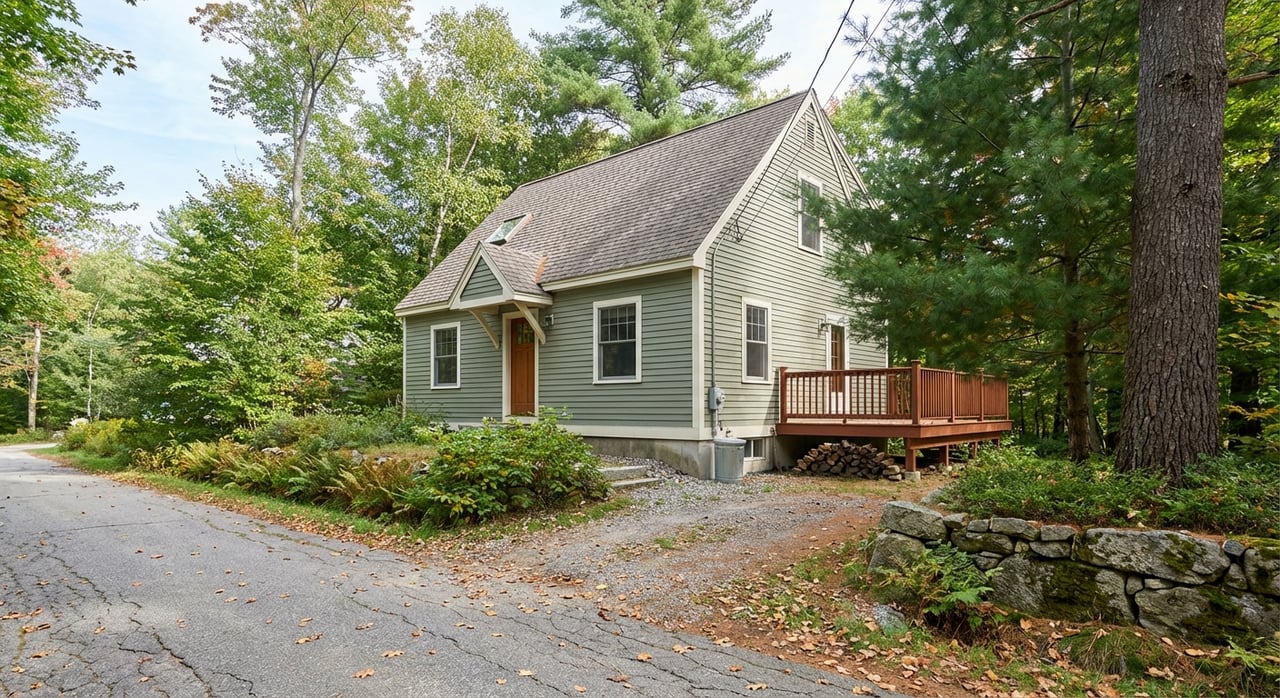
- Parking for multiple vehicles and easy winter access
- Pet-friendly policies if allowed by your insurance and HOA
- Strong Wi‑Fi and a comfortable workspace
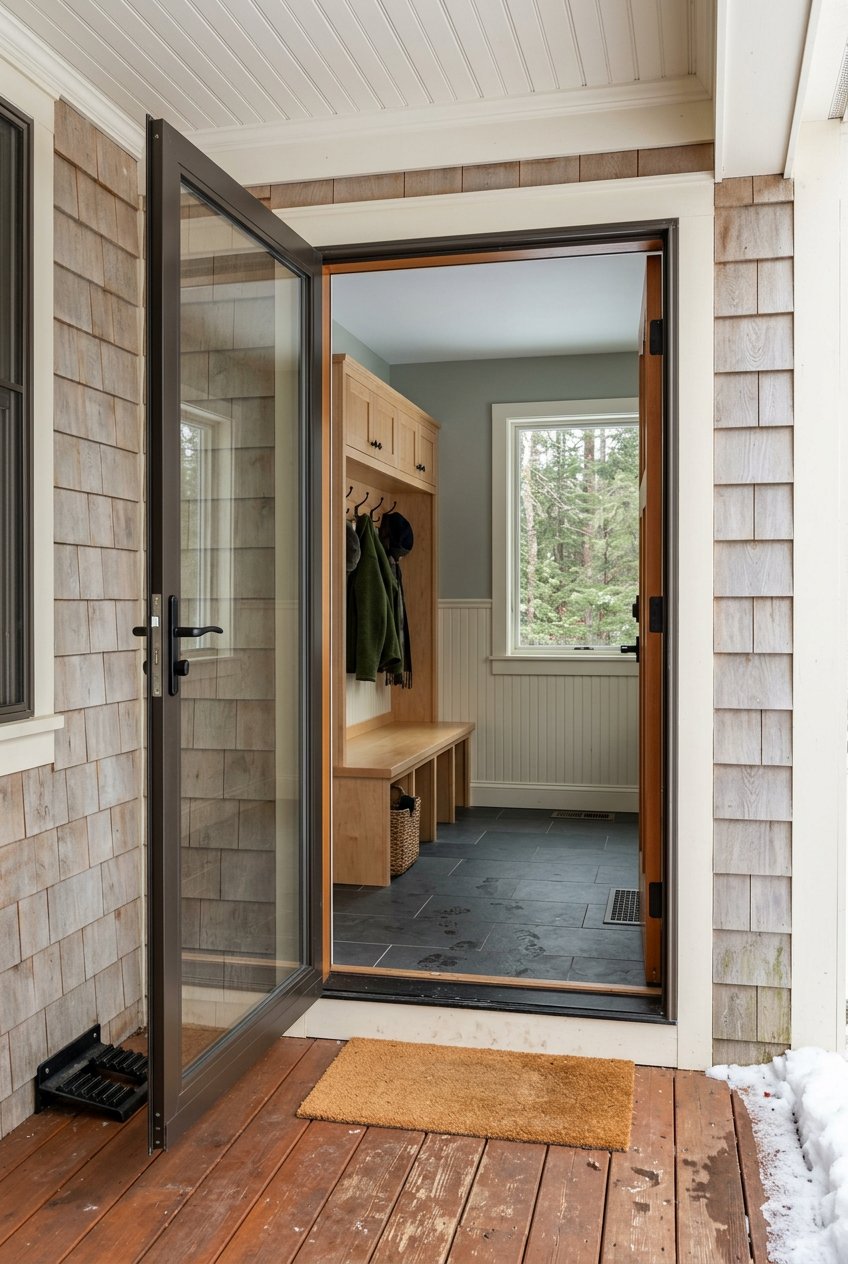
Little touches can go a long way. Provide a gear area for skis and boots, extra hooks for winter clothing, and a clear plan for trash and recycling.
Operations that run smoothly
Reliable cleaning and turnover service is essential, especially on winter weekends. Build in extra time for snow removal and high-traffic dates. Keep a checklist for cleaners that includes hot tub care if applicable, restocking, and safety checks.
Set simple, firm house rules that cover occupancy, parking, quiet hours, trash, and heating or fireplace use. Consider a contactless noise device that measures decibel levels without recording audio. Share an emergency contact number that reaches you or a local representative.
Smart locks make entry easy and reduce lockout issues. If you list on multiple platforms, a channel manager can prevent double bookings. Use dynamic pricing tools to adjust your rates for weather, events, holidays, and shoulder periods.
If you live far from Lincoln or prefer hands-off operations, a local property manager can handle guest communications, turnovers, maintenance, and emergency calls. Fees vary, but professional support can help preserve your reviews and reduce stress.
Pricing and profitability basics
Your revenue depends on average daily rate, occupancy, and fees. Expenses include cleaning and turnovers, utilities, insurance, taxes, management, maintenance, supplies, platform fees, and capital improvements.
Build a simple pro forma with seasonal ADR and occupancy assumptions. Include a cleaning fee and estimate how often you will turn over the property. Add a maintenance reserve, and compare returns to a long-term rental scenario if helpful. Be conservative during shoulder months.
Use pricing strategies that fit a mountain market:
- Set higher weekend rates in ski season and foliage weeks, with midweek discounts.
- Require longer minimum stays on holidays to manage turnover and maximize revenue.
- Offer week-long discounts in summer to attract families and reduce cleaning costs.
- Keep fees transparent and consistent with platform expectations.
Track key metrics: ADR, occupancy by month, RevPAR, average stay length, and peak-week pricing. Scan comparable listings in the Lincoln and Woodstock corridor to see which amenities command premiums.
Quick-start checklist for Lincoln owners
- Confirm local rules with Town of Lincoln zoning, code enforcement, and tax offices.
- Review HOA or condo rental policies and obtain written guidance.
- Register for the state Meals & Rooms (lodging) tax if required and learn filing steps.
- Consult a CPA about federal tax reporting and whether your activity is a rental or business.
- Update insurance to a policy that covers short-term rentals and adequate liability limits.
- Schedule safety checks: smoke and CO detectors, fire extinguishers, egress, emergency postings.
- Verify septic capacity and pumping schedule, and review water system needs.
- Arrange snow removal, seasonal maintenance, and dependable cleaning coverage.
- Create guest resources: a digital guidebook, house rules, and local contact info.
- Set your pricing plan by season, minimum stays, deposits, and cancellation terms.
- Invest in professional photos and write an accurate listing that highlights proximity to Loon and local attractions.
- Introduce yourself to neighbors and share your quiet-hours policy and contact number.
Common pitfalls to avoid
- Overlooking local registration, parking, or occupancy rules
- Failing to collect and remit the state lodging tax
- Relying on a homeowner policy that excludes STR activity
- Skipping winter access planning or fireplace safety protocols
- Pushing septic capacity beyond design limits
- Underestimating cleaning, snow removal, or emergency response needs
When to bring in local help
If you want expert guidance on pricing, presentation, and operations in the Lincoln and Loon Mountain area, consider partnering with a local team that understands resort seasonality. A boutique brokerage with property management options can help you position your condo or home for winter and peak seasons, maintain guest standards, and protect your investment.
Ready to explore your options or compare scenarios for your property? Connect with the local team at Bel Casa Realty to discuss strategy, property management options, and a step-by-step launch plan.
FAQs
Do I need a permit to run a short-term rental in Lincoln, NH?
- Possibly. Check with the Town of Lincoln zoning and code enforcement offices for registration or permit requirements, occupancy limits, and parking rules.
Do I have to collect New Hampshire lodging tax on short stays?
- Yes. Short-term lodging is typically subject to the state Meals & Rooms (lodging) tax. Register and follow filing procedures with the state, and check for any local taxes.
Will my homeowner’s insurance cover short-term rental activity?
- Often not. Many policies exclude this use. Ask your insurer for a short-term rental endorsement or a landlord or commercial policy with strong liability limits.
What amenities boost bookings near Loon Mountain?
- Proximity to the resort, hot tub or sauna, fireplace, reliable Wi‑Fi, convenient winter parking, and pet-friendly policies often improve demand and rates.
How should I price weekends and holidays in Lincoln?
- Increase rates for ski weekends and holidays, consider longer minimum stays for peak periods, and offer midweek discounts to smooth occupancy.
Should I hire a local property manager in the White Mountains?
- If you live off-site or prefer a hands-off approach, a local manager can handle guest support, turnovers, and emergencies, which helps protect reviews and revenue.