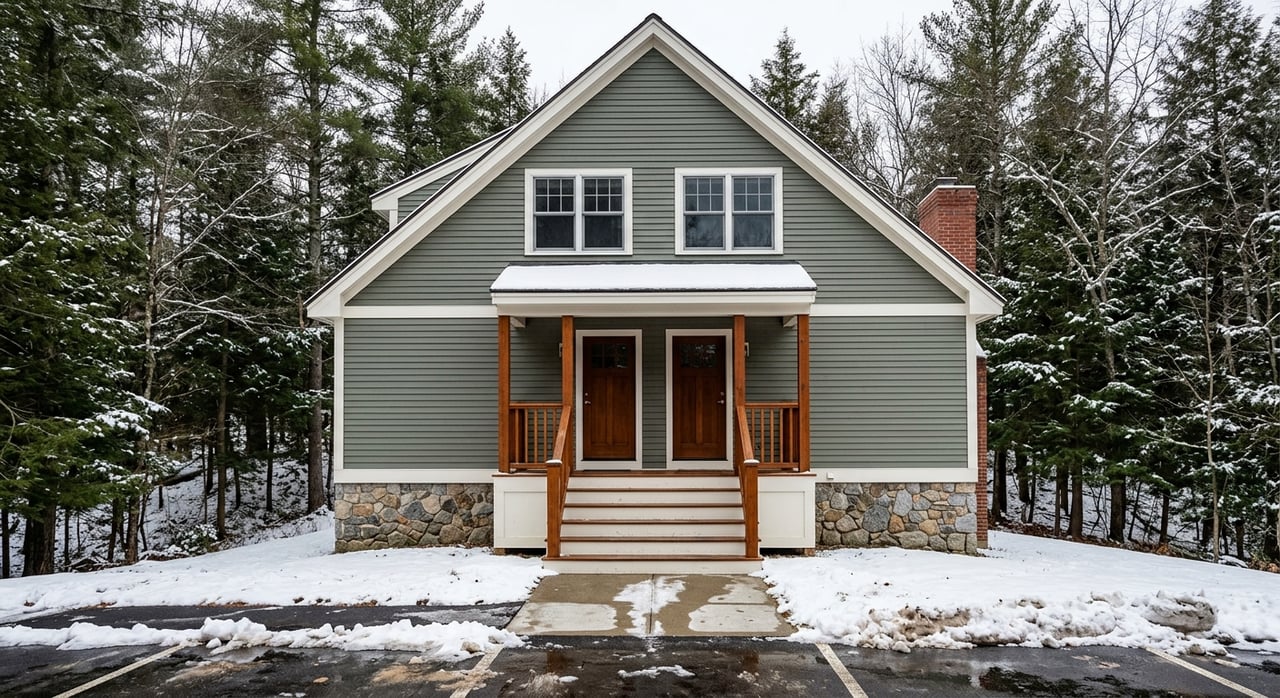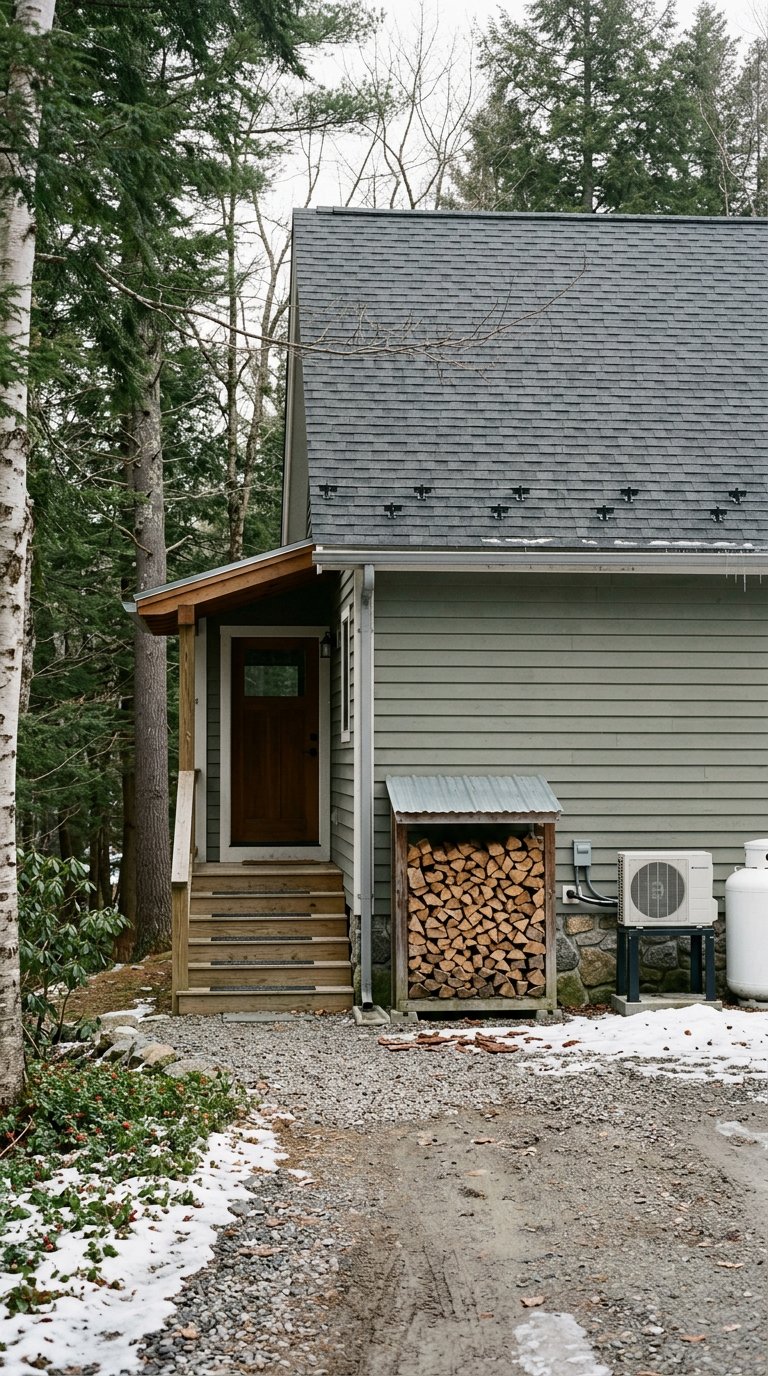
Picture your best days on Lake Winnipesaukee. Now decide how you want to live the rest of the year. Are you envisioning a simple summer camp or a fully winterized home that works in January as well as July? You are not alone if you are weighing comfort, access, costs, and rental potential. In this guide, you will learn how the Moultonborough market works, what to verify on any lake listing, and how to plan a smooth path from seasonal to year‑round if you choose. Let’s dive in.
Seasonal vs year‑round in Moultonborough
Moultonborough has a very high share of seasonal housing, which means many waterfront roads, docks, and services are set up around summer use. You will likely have neighbors who visit on weekends or for school vacations, and you may see seasonal docks and private lanes. Understanding this context helps you set realistic expectations and plan maintenance or upgrades if you want four‑season living. For a quick overview of the town’s housing mix, review the town’s Housing Needs Assessment findings presentation, which highlights the strong seasonal component in the local stock. See the town’s housing findings presentation.
Road access and winter maintenance
Access is the first filter for deciding seasonal versus year‑round. Moultonborough treats roads differently depending on ownership and use. Some town roads receive routine winter plowing and sanding. Many waterfront lanes are private, and some segments are Class VI, which means no municipal maintenance.
- The town’s policy explains that private subdivision roads with more than three lots may receive plowing if designated an Emergency Lane and if the road meets specs. Roads serving three or fewer lots are considered private driveways and do not receive town plowing. Review the Private Roads policy.
- The Winter and Inclement Weather Policy states that Class VI roads and town roads with no dwellings do not receive winter maintenance. Plow priorities and limits are also laid out, which matter for emergency access. Check the Winter Operations policy.
A recent state law, SB 281, changes how permits may be issued for lots accessed only by Class VI roads. Municipalities may no longer deny a building or occupancy permit solely due to Class VI access if the applicant records the required waiver and proves the lot and structures are insurable. The bill was enacted in 2025, with an effective date in 2026. Always confirm timing and requirements with the town and your insurer before you proceed. Read SB 281’s text.
Bottom line: if you want year‑round living, choose a property on a town‑maintained road or be prepared to organize and fund private plowing and upkeep. Your comfort and safety in winter depend on it.
Systems that make the difference
Plumbing, wells, and septic
Seasonal cottages are often designed to be drained for winter and may have smaller or older onsite sewage systems. Year‑round use usually requires frost‑protected water lines and a septic system sized and approved for full‑time occupancy. Waterfront parcels also face stricter state shoreland and septic rules, including recent transfer documentation requirements for properties served by individual sewage systems. Plan to hire a qualified septic evaluator early and follow NHDES guidance during due diligence. Use this NHDES resource hub.
Heating, insulation, and the building envelope
Seasonal camps may have limited insulation and space heating. A year‑round home needs reliable, continuous heat, protected plumbing, and code‑compliant egress and insulation. If you are converting, ask the town’s Code and Compliance or Land Use staff what permits and upgrades are required. The town’s FAQ is a good starting point for permit triggers and contacts. Visit the town’s FAQ page.
Utilities and broadband
Electric service in Moultonborough is provided by New Hampshire Electric Cooperative or one of the investor‑owned utilities, depending on the location. Rates and infrastructure vary, and co‑op projects signal active local investment, but service details still depend on the address. Get context on utilities from NHPR.
Internet is also address specific. Some pockets have cable or fiber, while others rely on fixed wireless or satellite. If you expect to work from the lake, verify providers and speeds for the exact property before you make an offer. Check likely options by address, then confirm with providers.
Waterfront rules, docks, and permits
Waterfront work sits under both local zoning and state rules. Moultonborough’s zoning ordinance includes shoreland, floodplain, and waterfront standards that affect setbacks, docks, and boathouses. NHDES administers shoreland and wetlands permitting, and even repairs or replacements can trigger permits. If you plan to add or alter a dock, or expand a home within the shoreland buffer, factor in engineering, permitting, and timelines. Review the town’s zoning ordinance and consult the state resources linked above.
Insurance and financing
Insurers and lenders look closely at occupancy patterns and access. Standard homeowner policies can limit coverage for long, unoccupied periods, and rental activity often requires endorsements. Homes on unmaintained roads or with seasonal utilities can face insurability or loan eligibility hurdles. Before you commit, speak with an insurance broker who understands NH lakefront properties and ask your lender to confirm requirements for access, septic, and year‑round habitability. Start with the NHDES resource hub for septic transfer issues, then engage your insurer and lender.
Rental potential on Winnipesaukee
Summer demand is strong, and fall foliage season adds shoulder‑season bookings. Winter rentals exist for snowmobiling and ice fishing, but occupancy is typically lower. Your rental performance will hinge on location, dock access, broadband, parking, and septic capacity. Locally, Moultonborough’s zoning defines traditional lodging uses and does not rely on a single “short‑term rental” term in the text, and New Hampshire towns continue to refine their rules.
Before you count on income, verify any local restrictions, registration needs, and state Meals and Rooms tax obligations. Check the zoning ordinance, then consult a current tracker of local short‑term rental regulations. See the zoning ordinance and review NH’s municipal STR tracker.
Buyer checklist for any Moultonborough lake listing
Use this quick list to avoid surprises:
- Confirm the road type and winter service: town road, Emergency Lane, private, or Class VI. If private or Class VI, who plows and how reliable is winter access for emergency vehicles? Read the Private Roads policy and Winter Operations policy.
- Request any recorded private road agreement and recent road association budgets or assessments.
- Verify the zoning district and waterfront standards, including docks and boathouses. Ask about accessory uses and any applicable rental provisions. Check the zoning ordinance.
- Order a septic evaluation and pull NHDES records. Confirm that the system is sized and approved for your intended use and that any required transfer documentation is in hand. Use NHDES resources.
- Confirm utilities: electric provider, fuel delivery logistics, well status, and per‑address internet speeds. Get utility context from NHPR and screen broadband options.
- Ask an insurance broker for a preliminary insurability letter for your intended occupancy pattern, including any rental use.
- If renting is part of the plan, verify local rules and state tax requirements. Use the NH STR tracker.
- If conversion is likely, schedule a pre‑application chat with the Land Use or Code Officer to flag building code, septic, and access upgrades. Find contacts via the town FAQ.
Converting a cottage to year‑round: a simple roadmap
Feasibility check. Confirm road status, floodplain, and zoning. Review town winter policies and access requirements.
Septic and well evaluation. Hire a certified site evaluator. If upgrades are needed, budget for design, permitting, and possible engineered solutions near the shoreland. See NHDES resources.
Building and code review. Have a design professional or code official assess insulation, heating, water service, foundation, and egress. Pull permits before work begins. Start with the town FAQ.
Utilities and broadband. Confirm electric service, fuel access, and internet. Consider a standby generator if outages are a concern. NHPR utility overview.
Insurance and lender. Get early confirmation that your plan is insurable and financeable.
Record required documents. If Class VI access applies, follow SB 281’s waiver and recording requirements when the law is effective. Read SB 281.
Which path fits you best?
Choose a seasonal cottage if you want a simpler setup, expect to visit mostly spring through fall, and are comfortable arranging caretaker checks in winter. This can be a good fit if the lane is not maintained and you do not need daily winter access. Many buyers value the charm and lower carrying costs, especially if they do not plan to rent in the off‑season.
Choose a year‑round home if you will use the property in winter, want easy access during storms, or plan to rent across multiple seasons. Budget for stronger systems and utilities, and verify that the road, septic, and heat all support continuous use. If a favorite cottage checks every box except winterization, consider a phased conversion using the roadmap above.
If you want local, hands‑on guidance while you search or plan a conversion, our boutique team is here to help. From access and permitting strategy to rental positioning, you can count on curated advice grounded in the Lakes Region. Ready to talk your plan through? Schedule a Consultation with Bel Casa Realty.
FAQs
What is the biggest difference between seasonal and year‑round lake homes in Moultonborough?
- Winter access. Town roads and designated Emergency Lanes may be plowed, while many private and Class VI roads are not, which can limit winter usability. See the town’s winter and private road policies.
How do I know if my road will be plowed by the town?
- Check the road’s classification and whether it is an Emergency Lane. The Private Roads policy and the Winter Operations policy outline what the town does and does not maintain. Review the Private Roads policy.
Can I get a building permit if my lot is on a Class VI road?
- Under SB 281, permits may not be denied solely due to Class VI access if you record the required waiver and show insurability, with the law effective in 2026. Read SB 281.
What should I check about septic before buying a lake house?
- Verify that the system is sized and approved for your intended use, and follow NHDES transfer documentation in shoreland. Hire a qualified evaluator early. Use NHDES resources.
Do I need permits to repair or replace a dock in Moultonborough?
- Likely yes. Docks and shoreline work fall under local zoning and NHDES rules, and repairs or replacements can trigger permits. See the zoning ordinance.
Is high‑speed internet available around Lake Winnipesaukee in Moultonborough?
- It varies by address. Some areas have cable or fiber, while others rely on fixed wireless or satellite, so verify for each property. Check options by address.